Nigeria hosts D-8 talks, pushes agenda to grow trade to $500bn by 2030
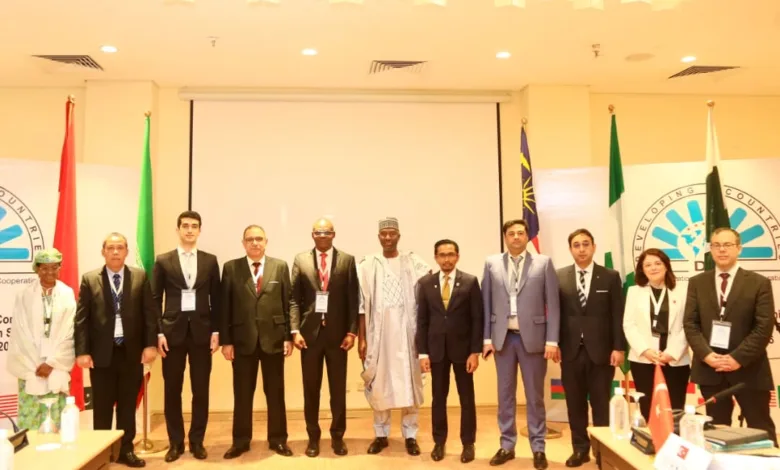
Nigeria has intensified efforts to reposition the Developing-8 (D-8) Organisation for Economic Cooperation as a major global trade bloc, as member countries met in Abuja to review progress on their Preferential Trade Agreement (PTA) and strategies to boost intra-bloc trade.
The meeting, which was the 9th Session of the Supervisory Committee of the PTA, brought together senior trade officials from D-8 member states to discuss ways of accelerating economic integration and expanding trade cooperation.
Opening the session, former Permanent Secretary of Nigeria’s Federal Ministry of Industry, Trade and Investment and Chairman of the Supervisory Committee, Nura Abba Rimi, called for urgent reforms to strengthen the trade framework and unlock the bloc’s economic potential.
He also congratulated Sohail Mahmood on his appointment as Secretary-General of the Developing-8 Organization for Economic Cooperation and welcomed the accession of Azerbaijan as a new member, describing it as a move that would further expand the bloc’s economic influence.



Rimi noted that intra-D-8 trade currently stands at about seven percent of total trade among member countries, valued at approximately $146 billion in 2024, stressing the need for stronger collaboration to achieve the organisation’s ambitious $500 billion trade target by 2030.
“We must move beyond incremental progress and embrace bold, results-driven actions that will unlock the full economic potential of our bloc,” he said.
In his remarks, the Secretary-General, Mahmood, emphasized the importance of aligning technical work with upcoming ministerial meetings, including the 2026 ministerial session scheduled to take place in Indonesia. He highlighted the need to strengthen institutions, support small and medium enterprises, and improve private sector participation to deliver measurable economic outcomes.
Member countries including Pakistan, Bangladesh, Malaysia, Türkiye and Indonesia reiterated their commitment to expanding the PTA, reducing trade barriers and improving market access. Discussions also focused on increasing product coverage, strengthening dispute resolution mechanisms and improving trade facilitation processes.