Nigeria must find its feet — by Abu Sidiq
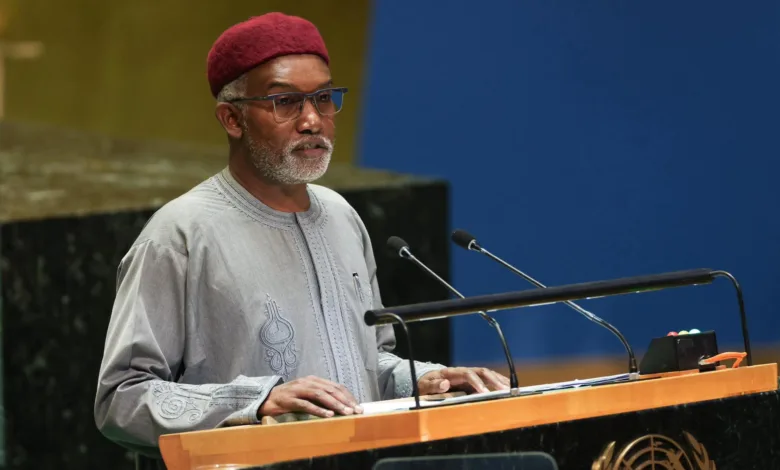
The recent recommendation by the United States Congress urging Nigeria to halt military purchases from Russia and instead procure exclusively American defence systems is not just another diplomatic comment. Framed as part of efforts to combat violence against Christian communities and other vulnerable groups, it carries moral weight. But it also carries geopolitical undertones that cannot be ignored.
Great powers do not separate morality from strategy. Security cooperation, arms sales, and political influence are deeply intertwined. The United States is competing with Russia globally, and Africa is part of that competition. That is not outrage-worthy. It is simply the nature of international politics.
What this moment truly highlights, however, is something more important than Washington or Moscow: Nigeria must find its feet.
The real issue is not whether Nigeria buys American equipment or Russian equipment. The real issue is whether Nigeria has the industrial capacity, strategic clarity, and political confidence to make such decisions entirely on its own terms.

A serious nation does not swing between power blocs. It develops long-term domestic capability. It strengthens institutions. It invests in research, engineering, manufacturing, and defence technology. It builds an economy resilient enough to withstand external pressure. It negotiates partnerships from a position of leverage, not dependence.
Strategic neutrality is not about refusing to align with anyone. It is about refusing to be owned by anyone. It is about maintaining diversified relationships while steadily reducing vulnerability. Political alignment should be selective and calculated, never automatic.
If Nigeria had a robust domestic defence industry, credible research institutions, disciplined governance, and a coherent 20-year security doctrine, external recommendations would carry less weight. Pressure only works where dependency exists.
This is why the recommendation from the U.S. Congress should trigger introspection. It should remind us that sovereignty is not protected by rhetoric or pride alone. It is protected by capacity.
Nigeria must move beyond reactive foreign policy. It must transition from a buyer to a builder, from a pressured state to a negotiating power. That requires reform, discipline, and leadership willing to think beyond election cycles.
Until Nigeria strengthens its economic base, industrial capability, and institutional integrity, it will continue to operate within the gravitational pull of stronger nations.
Nigeria must build itself into a country that cannot be casually dictated to, not because it resists loudly, but because it stands firmly.