NRC invites private firms to operate own trains on national rail network
The Nigerian Railway Corporation (NRC) has invited private companies to operate passenger and freight train services on its approximately 4,000-kilometre rail network, provided they supply their own locomotives, wagons and other rolling stock and pay for access to the tracks.
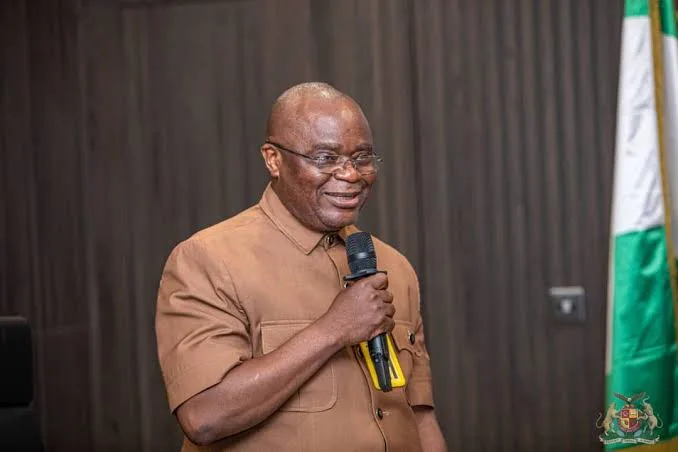
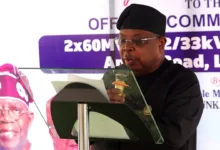
The NRC Managing Director, Kayode Opeifa, disclosed this on Tuesday at BusinessDay’s Mobility and Logistics Conference in Lagos, describing the arrangement as a track-access model designed to encourage private-sector participation in railway operations.
“You can bring your train, bring your locomotive, bring your wagons, bring your everything. We will run it on it. You just pay us your money. We don’t want to run the trains alone,” Opeifa said, comparing the arrangement to road users paying tolls to use public infrastructure.
He cited the Lagos State Government as a beneficiary of the model through the Lagos Metropolitan Area Transport Authority. He also said the China Civil Engineering Construction Corporation had obtained a three-year licence to operate a self-operated railway freight service, becoming the first private foreign contractor authorised to run standard-gauge freight services in Nigeria.


Opeifa said the initiative would expand freight capacity, improve passenger mobility, attract investment and strengthen rail transportation’s role in Nigeria’s logistics chain without requiring the NRC to provide all the trains and wagons.
The corporation also plans to rehabilitate the Lagos–Kano narrow-gauge railway and restore viable operations towards Kano, with proposed extensions to Nguru and Kaura Namoda. The reconstruction of the Baro–Minna narrow-gauge railway is another priority, with the proposed link expected to facilitate the movement of agricultural produce and industrial goods through integrated inland-waterway and rail transport.
Under its Vision 2:5:10:20 development framework, the NRC aims to expand the national rail network from about 4,000 kilometres to 10,000 kilometres by 2028, with a long-term target of 20,000 kilometres.
Planned standard-gauge connections include links from the Lagos–Ibadan railway corridor to Apapa and Tin Can Island ports, as well as a proposed route connecting Lekki Deep Sea Port through Ijebu-Ode and Sagamu to Kajola, where it would link with the Lagos–Kano Standard Gauge Railway.