Russia open to talks with Europe but rejects ultimatums, Kremlin says
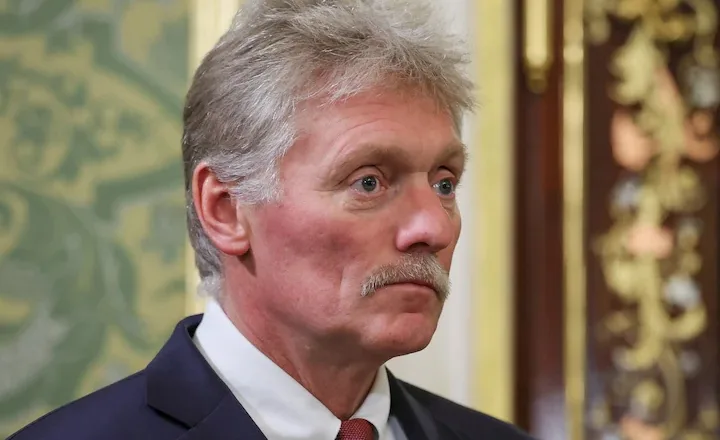
Russia said on Friday it was open to dialogue with European countries but would not accept ultimatums, as signs increase that the European Union may seek talks with Moscow after largely avoiding contacts since the start of the war in Ukraine.
Kremlin spokesman Dmitry Peskov said common sense dictated the need for such contacts because of the “enormous number” of complex issues on the agenda, but stressed that European countries would need to change their approach toward Russia.
“The Europeans have a very serious misconception: They assume that negotiations with Russia must be conducted from a position of strength and based on Russia’s weakness. This is the biggest mistake. Such talk will lead nowhere,” Peskov told reporters.
“Does this stem from European incompetence, misinformation, or stupidity? We don’t know for sure, but it’s a fact.”
Russian President Vladimir Putin has previously said he remains open to talks with European governments but believes they should initiate contact, arguing that they were the ones who severed ties. The European Union has imposed 20 rounds of sanctions on Russia over its invasion of Ukraine.
After leaving diplomatic efforts largely to U.S. President Donald Trump for more than a year, the EU has recently begun cautiously reaching out to Moscow.
An EU official said on Wednesday that the office of European Council President Antonio Costa had made “brief contacts at diplomatic level” with the Kremlin in recent weeks in an effort to open communication channels.
Austrian Chancellor Christian Stocker also told the Financial Times in an interview published on Thursday that the EU should take advantage of the current momentum around peace talks in Ukraine to push for renewed negotiations with Putin.
Responding to the developments, Peskov said Russia was ready for discussions if there was a genuine willingness on the other side to engage in meaningful dialogue rather than moralising or issuing ultimatums.
However, Costa’s initiative reportedly exposed divisions among EU leaders during a summit in Brussels, with some member states arguing that the bloc should instead focus on increasing pressure on Russia.
Meanwhile, Ukraine said it was gaining momentum in the war through an intensified campaign of long-range drone strikes targeting Russian infrastructure, including ports and oil refineries. Moscow disputes that assessment and insists it will continue military operations until its objectives are achieved or a diplomatic settlement is reached.
The governor of the Moscow region said an eight-year-old girl was killed in a major Ukrainian drone attack on the capital and surrounding areas on Thursday. Hundreds of drones were reportedly used in the assault, which also set fire to a large oil refinery in southeast Moscow for the second time in three days.
“Indeed, drone attacks continue. Appropriate measures are being taken to mitigate the consequences,” Peskov said.
Asked whether Putin had seen footage of the burning refinery, Peskov suggested reporters should also pay attention to images from Ukrainian cities struck by Russian forces.
“These strikes will continue,” he said.
Credit: Reuters