To Ngugi Wa Thiongo, who died at 87: A tribute, by Segun Ajayi
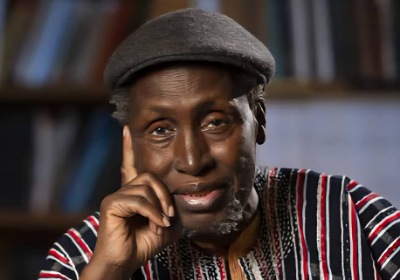
I was a primary school pupil when I first came across the name James Ngugi. I had followed my late dad to see a stage adaptation of “Weep Not Child” performed by students of Ekiti Parapo College, Ido Ekiti, and also my alma mater. As a little child with no exposure to African writings of Ngugi’s rating at the time, what more could I have taken home beyond the entertainment the play offered.
Meanwhile, three names stuck since that evening’s encounter, “Njoroge, Nyokabi, Mr Jakobo. I recall poor Nojoroge, an indigent Kenyan child who craved for Western education but couldn’t afford it because his parents were poor. It was a reflection of the social stratification in pre-independent Kenya.
Those names linger because they are major characters in the story, and their involvement meant different things in the dramatisation of life in colonial Kenya. Imagine, I haven’t spared time to read “Weep Not Child” in my later years, if only to relate my childhood memories with the mature mind of an adult.
In my undergraduate days, I saw “The trial of Dedan Kimathi” on stage. By then, he had dropped the “James” and played up “Wa Thiongo” (son of Thiongo). According to him, “James” was a vestige of colonialism and an abberation to his self-rediscovery that was radical and Pan-African. It also dawned on me that Dedan Kimathi was the leader of the Mau Mau rebellion, a nationalist and anti-colonial group involving the Kikuyu people in the 1950s.
Meanwhile, we grew to know the late President Jomo Kenyatta as arrow head of the Mau Mau and father of Kenya’s independence. Thanks to Ngugi, who, through his writings, brought us closely with Kenya’s political history. These are a few citations of Ngugi’s bravery, his unwaivering commitment to the emancipation of Kenya people from colonialists’ clutches. Today, Kenya is free not only by the militancy of the Mau Mau, but also the literary contributions of this great African. Adieu Ngugi Wa Thiongo!