Wicknell Chivayo: Controversial Zimbabwean businessman who befriended presidents dies in helicopter crash
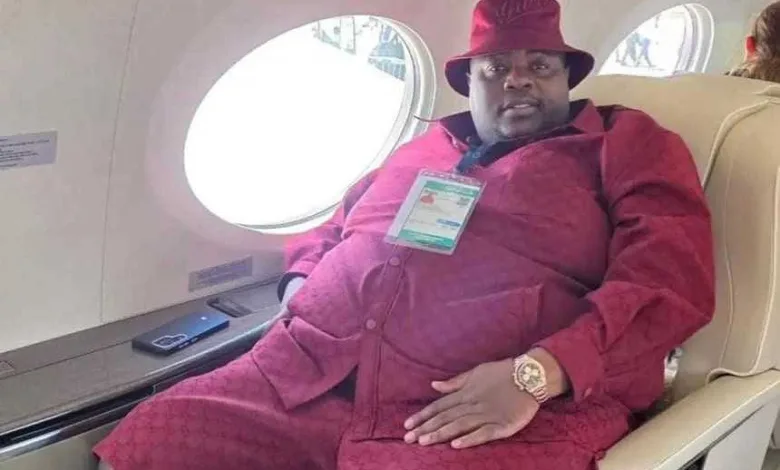
The controversial Zimbabwean tycoon Wicknell Chivayo has died in a helicopter crash in his home country. He was accused of building his wealth through corruption while cultivating close relationships with African leaders.
The businessman, who formed close relationships with African leaders, flaunted his lavish lifestyle of private jets and luxury cars and faced persistent corruption allegations, died in a helicopter crash on Wednesday.
Chivayo was reportedly returning to Zimbabwe’s capital, Harare, after visiting his rural homestead when the helicopter he was travelling in with several others, including his wife, crashed into a field, killing everyone on board, according to local news reports and a Zimbabwean government spokesman.
Images from the crash site aired by the state broadcaster showed the charred remains of the helicopter scattered across a field of brown grass. Authorities said the cause of the crash was under investigation.

Chivayo, 45, was a deeply divisive figure, and his death sparked mixed reactions online. While some expressed sympathy for his two children, who were not on the helicopter, others celebrated his death, accusing him of amassing wealth through corruption while ordinary Zimbabweans struggled with poverty and unemployment.
The businessman, who made much of his fortune through lucrative government contracts, denied wrongdoing. However, allegations followed him throughout his career, particularly as he developed close relationships with heads of state.
Zimbabwean President Emmerson Mnangagwa expressed shock and grief over the deaths of Chivayo and his wife, Lucy Muteke, in a social media post.
“The death of Wicknell Chivayo and his wife, Lucy Muteke, left our Nation, my family, and me personally numbed and in deep shock and grief,” Mnangagwa wrote, praising Chivayo for his charitable activities.
Kenyan President William Ruto also expressed condolences, describing Chivayo as “a dear friend whose warmth touched many people”.
Chivayo had recently posted a video online showing Ruto driving him after he attended a celebration for the Kenyan president’s daughter.
His social media accounts were filled with pictures and videos of him travelling in private jets and helicopters, driving Rolls-Royces and other luxury cars, and giving away vehicles and cash. He frequently referenced his Christian faith and shared photographs with leaders from several African countries, including South Africa, Zambia, Tanzania and Nigeria.
His ostentatious displays of wealth, coupled with his close relationship with Zimbabwe’s ruling ZANU-PF party, attracted considerable scrutiny in a country where many citizens have grown weary of public corruption.
Following news of his death, some social media users expressed satisfaction, reflecting the depth of public resentment against him.
“What a glorious day,” one Zimbabwean wrote on Facebook.
Another user on X wrote that “forward thinking Zimbabweans and Kenyans are happiest right now courtesy of the untimely death” of Chivayo, adding that the person had decided to skip work the following day to celebrate.
Chivayo faced allegations that he used his political connections to secure government contracts, with critics claiming the deals financed his luxurious lifestyle rather than delivering the projects for which they were awarded.
In 2015, he received a $173 million contract for a major solar energy project in Zimbabwe. As the project suffered repeated delays, he was charged in 2018 with fraud and money laundering over an advance payment he received for the project.
The charges were eventually dismissed, but the solar project remained outstanding at the time of his death.
He also faced accusations of involvement in a corrupt scheme to secure materials for Zimbabwe’s 2023 national election. However, the country’s anti-corruption authorities cleared him of wrongdoing.
Chivayo began his business career as an agent illegally exchanging foreign currency on the streets of Harare. In 2004, he was sentenced to three years in prison for fraud relating to a transaction he was expected to carry out.
Simon Mann, a British mercenary convicted of plotting a coup in Equatorial Guinea, served time in a Zimbabwean prison alongside Chivayo and later wrote favourably about him in his autobiography.
According to Mann, the two men discussed politics during their time in prison, and Chivayo gave him a memorable warning: never criticise Zimbabwe’s ruling ZANU-PF party.
Credit: Society Reporters