CANEX: Soyinka, Murray-Bruce seek stronger policies, funding for Africa’s creative economy
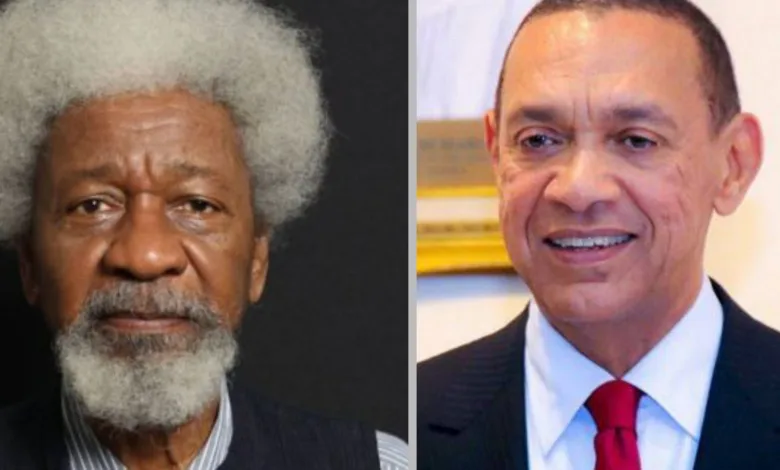
Nobel laureate, Prof. Wole Soyinka, and founder of Silverbird Group, Ben Murray-Bruce, have called for stronger policies, increased funding and greater political participation to unlock the potential of Africa’s creative economy.
They made the call on Friday during a panel session titled ‘Building a Creative Economy in Global Africa’ at the ongoing Creative Africa Nexus (CANEX) WKND 2026, organised by Afreximbank in Lagos.
Soyinka urged African youths to take advantage of changing global circumstances and developments in technology, artificial intelligence and creativity to drive a new renaissance on the continent. He said Africa must build its own capacity rather than depend on external support.
The Nobel laureate also called for regular engagement between political leaders and creative practitioners, stressing that such relationships should be based on equality, trust and mutual respect to reduce suspicion and encourage productive discussions.


The International Finance Corporation’s Division Director for West Africa and the Gulf of Guinea, Natalie Koussi Akon, disclosed that the institution had invested $1.6 billion in the creative industry over the past five years. She said the IFC was also working to improve the sector’s visibility, build capacity, expand market access and connect creative businesses with investment opportunities.
Rwanda’s Minister of State for Youth and Arts, Sandrine Umutoni, called on governments to introduce policies that would facilitate business operations and cross-border trade, while Minister for Grand Bahama, Ginger Moxey, urged African countries to strengthen intra-continental trade and make greater use of the Pan-African Payment and Settlement System.
Earlier, Murray-Bruce urged creative industry practitioners to seek political offices and participate in governance to influence policies and laws that would support the sector’s growth. He proposed a law requiring financial institutions to allocate 2.5 per cent of their loans to the creative industry and called for intellectual property to be accepted as collateral for loans.
“You must take a political position and run for office. The only way you can change the laws of your countries and make it possible for you to have infrastructural development and the copyright you need to be rich and successful is to take a political position,” he said.