World Bank raises concerns over spending priorities of state govts in Nigeria

The World Bank has raised concerns over the spending priorities of Nigerian state governments, saying investments in transport infrastructure have grown faster than allocations to education, healthcare and social protection despite a significant increase in revenues since 2023.
The bank said although spending on education, health and social protection had increased substantially, the growth had not matched the rapid expansion in transport infrastructure expenditure, raising questions about whether rising public revenues were translating into improved human capital development and better living conditions.
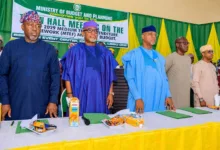
A representative of the World Bank, Gloria Joseph-Raji, disclosed this at the launch of the 11th edition of BudgIT’s State of States Report, themed From Allocation to Impact: Rethinking State Spending Priorities.
She said the assessment was particularly timely because state governments were receiving substantially higher revenues following recent macroeconomic reforms, including exchange rate unification, the removal of petrol subsidy and improvements in tax administration.



According to her, additional resources have also accrued to states through federal government settlements of longstanding obligations and dedicated intervention funds for infrastructure and security.
“Since mid-2023, exchange rate unification, petrol subsidy removal, and improvements in tax administration have expanded fiscal revenues across all tiers of government,” Joseph-Raji said.
She added that state governments had also increased their internally generated revenues (IGR), giving them greater fiscal capacity to meet their obligations and finance essential public services.
“A few years ago, many states struggled to meet non-discretionary expenditure commitments, in particular civil service salaries. But our understanding today is that all states are meeting their salary commitments, and they have additional resources available for service delivery,” she said.
Joseph-Raji noted that state governments had primary or shared responsibilities for education, healthcare, roads and infrastructure, agriculture and electric power, while working with local governments on primary healthcare, basic education and sanitation.