Sanwo-Olu targets $1tn Lagos economy by 2052, seeks more investment
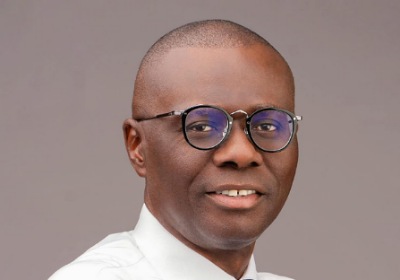
Lagos State Governor Babajide Sanwo-Olu has said the state is targeting an economy worth nearly $1 trillion by 2052, stressing the need for sustained investment in infrastructure, technology, human capital and business-friendly policies to achieve the goal.
Sanwo-Olu stated this while delivering an address as guest speaker at the Lagos State Executive Business Breakfast Meeting of the Nigerian-British Chamber of Commerce (NBCC), held at the NBCC Plaza. The meeting was themed “The Future of Lagos: Business, Investment and Global Competitiveness.”
The governor described Lagos as a major national economic asset and Nigeria’s commercial gateway to the world. He noted that although the state occupies only 0.45 per cent of Nigeria’s landmass, it attracts between 60 and 70 per cent of the country’s foreign direct investment.
He, however, said the state’s economic potential depends not only on its large consumer market but also on investor confidence, reliable infrastructure, predictable policies and institutions that honour their commitments. He added that the government was working to improve the business environment by streamlining regulatory processes, addressing delays in land transactions and ensuring that public commitments translate into tangible results.
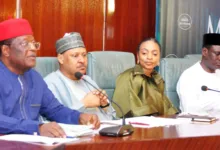
Sanwo-Olu also highlighted improvements in Lagos’ ease-of-doing-business ranking, which he said had risen from about 28th position to first place nationally over the past seven years. He attributed the progress to efforts to make government processes more efficient and create a more attractive environment for businesses and investors.
On the state’s long-term development agenda, the governor highlighted the Lagos 2052 Development Plan, which comprises 447 initiatives across 21 strategic sectors. He said the blueprint was designed to position Lagos as a model African megacity and a globally competitive economic and financial hub, anchored on four pillars: a thriving economy, a human-centred city, modern infrastructure and effective governance.
He identified investments in transportation, energy, digital connectivity, healthcare and education as critical to achieving the state’s ambitions. According to him, the Blue and Red rail lines, improvements in electricity regulation, the Lekki Deep Sea Port, industrial developments and the expansion of the technology and creative sectors would support economic growth, regional trade and job creation. He also said the government was strengthening support for small and medium-scale enterprises through financing and grants while investing in innovation and workforce development.
On public finance, Sanwo-Olu said Lagos’ budget had grown from about ₦700 billion in 2019 to ₦4.2 trillion in 2026, reflecting the state’s expanding development needs. He stressed the importance of improving revenue generation to sustain investments, adding that Lagos’ economic growth would benefit not only its residents but also businesses across Nigeria and the wider West African sub-region through stronger manufacturing, technological innovation, efficient ports and improved connectivity. He reaffirmed his administration’s commitment to attracting global investment, creating jobs and improving residents’ quality of life.