NESG chairman urges Nigeria to cut inflation to single digits, tackle insecurity

The Chairman of the Nigeria Economic Summit Group (NESG), Olaniyi Yusuf, has said Nigeria must reduce inflation to single digits, tackle insecurity and increase non-oil exports to sustain its recent economic gains.
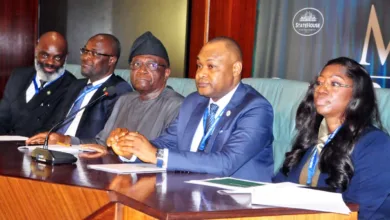
Yusuf, who spoke to TheCable on the sidelines of the 32nd Nigeria Economic Summit in Abuja, said the country had made progress but remained far from achieving its economic ambitions.
He said sustained economic growth required macroeconomic stability, adding that lower inflation would create room for interest rates to fall and improve access to credit for businesses and individuals. He noted that inflation had dropped below 15 per cent but needed to fall further to single digits.
Yusuf cautioned against celebrating the country’s economic gains prematurely, saying more work was needed to consolidate the progress made so far. He also identified insecurity as a major threat to economic activity, noting that the loss of lives and property undermined businesses and public confidence.


He said improved security was necessary to facilitate the movement of goods across the country, including commodities transported from Apapa ports to Maiduguri and solid minerals from Nasarawa to the ports. “Security, logistics, transportation, those things are critically important,” he said.
The NESG chairman called for increased non-oil exports, saying only three per cent of Nigeria’s exports in 2025 comprised manufactured and processed goods, while more than 80 per cent came from crude oil, gas and related products. He said the country needed greater investment in domestic processing and manufacturing to achieve the government’s target of non-oil exports accounting for 92 per cent of total exports by 2030.
On the private sector’s role in sustaining growth, Yusuf said businesses accounted for the bulk of Nigeria’s economic activity and could contribute more if the government provided a predictable policy environment. He cited agriculture, banking, financial technology and large-scale industrial investments as examples of private sector contributions to the economy.
Yusuf said businesses needed predictable regulations, consistent policies and better coordination among fiscal, monetary and trade policies to thrive. He urged the government to move beyond policy formulation and actively support private businesses.