Continuous round-the-world cruise comes to an end as Iran war spikes fuel costs
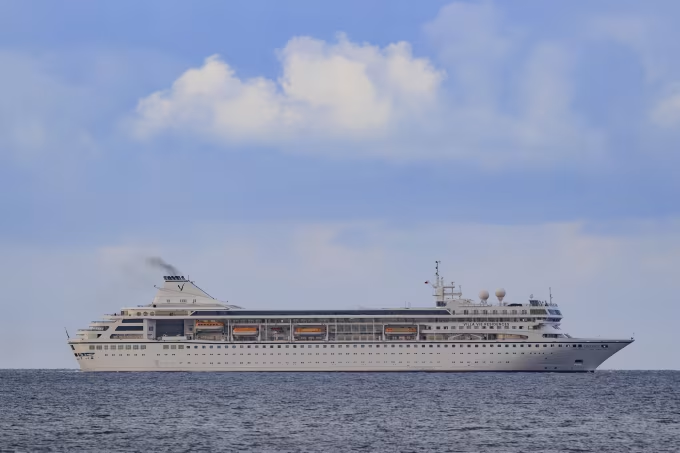
A residential cruise ship that has been sailing around the world continuously for more than two years has evicted passengers in Cambodia after the fallout from the Iran war made fuel prices too expensive to continue its voyage.
The Florida-based operator of the luxury Villa Vie Odyssey announced Tuesday that it was suspending operations in Cambodia and working to identify temporary living arrangements for its residents, many of whom own cabins on the ship and live there permanently.
“Since the conflict began in late February, we have taken significant steps to reduce fuel consumption, including slowing the itinerary and spending more time in port,” Villa Vie Residences said in a statement.
“Those measures have not been enough to offset the extraordinary increase in fuel costs, and we have been unable to continue carrying the resulting operating losses.”




CNN has reached out to Villa Vie Residences for comment.
The Odyssey has been sailing continuously since it left Belfast, Northern Ireland, more than two years ago, following months of delays. The 640-foot vessel is described as an “intimate” ship that offers “a new way to live,” reaching “parts of the world other ships can’t access.”
A five-year residency aboard the Odyssey begins at $59,999, while a permanent cabin costs $119,999, according to the Villa Vie website. Owners also pay monthly fees, currently ranging from $3,299 to $9,500 depending on the suite. These cover food, drinks, Wi-Fi, medical visits, housekeeping and other costs. Passengers can also rent cabins from $3,499 per month.
The ship was set to visit more than 400 destinations as it perpetually circumnavigated the globe, according to its website.
However, surging fuel costs caused by the Iran war and disruptions in the Strait of Hormuz have created “unsustainable financial pressure,” Villa Vie Residences said in its statement.
According to the company, monthly fuel costs per cabin have risen from around $1,800 to as high as $8,000 in parts of Asia, which is a major importer of energy from the Middle East.
“Passing the full increase on to residents is not a realistic solution,” Villa Vie said, adding that it was working towards “restructuring and recapitalization” over the next two months, although “no outcome is assured.”
Holly Hennessy, who has been aboard the Odyssey with her cat, Captain, since the ship first set sail, said residents were given less than one day’s notice before they had to disembark, although the signs of trouble had been apparent.
“It’s been incredibly tough since the war,” Hennessy said, noting that residents were asked to pay a fuel surcharge in May. She added that the Odyssey had been cutting back on cooling to conserve energy, which would have made staying aboard uncomfortable.
Still, Hennessy said the opportunity to live aboard the ship was “priceless.”
“It was not sustainable as it was set up,” she said. “That doesn’t diminish the memories, the adventure, the very special moments of having been a true global citizen.”
Sharon Lane, a retiree from California who purchased a cabin on the ship, told CNN in June that she planned to live on the Odyssey for as long as it remained operational. Last year, the cruise company estimated that the ship had 15 years of seafaring left.
“This is a home,” said Lane, who invested her life savings in her cabin. “I’m just living on and loving the ship.”
Credit: CNN