Norway’s premier says call with Putin was effort to present European views
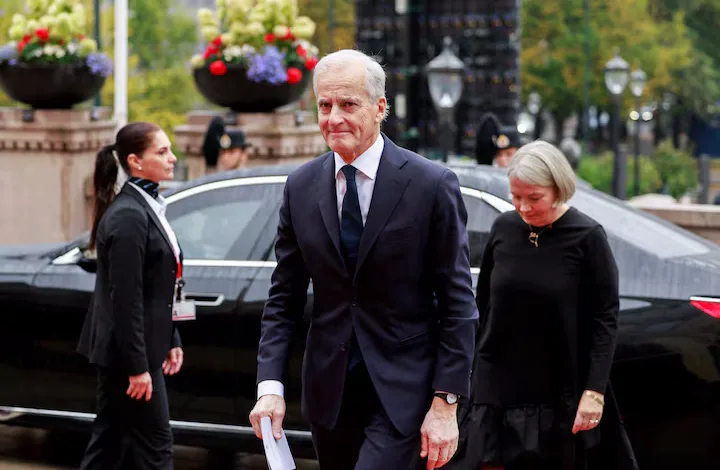
Norway’s Prime Minister, Jonas Gahr Stoere, on Wednesday defended a three-way call with Russian President Vladimir Putin and Finnish President Alexander Stubb, saying it was intended to ensure the Russian leader heard European as well as American views.
Tuesday’s call between Putin, Stubb and Stoere broke a longstanding practice among Western European leaders of avoiding direct contact with the Kremlin. The move drew criticism from allies, including Danish Prime Minister Mette Frederiksen.
The 90-minute conversation came ahead of what are expected to be the first face-to-face talks between Ukrainian and Russian officials since February, scheduled to take place in Abu Dhabi next month.
“We (Stubb and I) were focused on looking forward, what must happen for this war to not continue endlessly for months, with people dying … and it is even more difficult to find a solution,” Stoere told public broadcaster NRK.
“I don’t think (Putin) will change his mind, but he gets to hear our position very clearly. I am worried that some of these messages do not reach him when the Americans talk to him,” he said.
Stoere said Norway wanted to introduce de-escalation measures, including stopping attacks on energy infrastructure in Russia and Ukraine, halting strikes on ships exporting Ukrainian grain and conducting prisoner-of-war exchanges.
Asked whether peace could be achieved without Ukraine ceding territory, Stoere said Russia currently controlled nearly 20 per cent of Ukrainian territory.
“Ukraine will never sign a deal that recognises that they have lost territory, but whether they can take the current frontline as a reality and as a starting point, that is a different question,” he said.
He added that security guarantees for Ukraine after a peace agreement remained a major concern, saying Putin recognised the importance of the issue.
Russian Foreign Minister Sergei Lavrov said Tuesday’s call had offered nothing new on the Ukraine conflict, adding that European countries were simply seeking a role in the negotiation process.
Credit: Reuters