Nigeria must judge growth by jobs, living standards, says NESG chairman
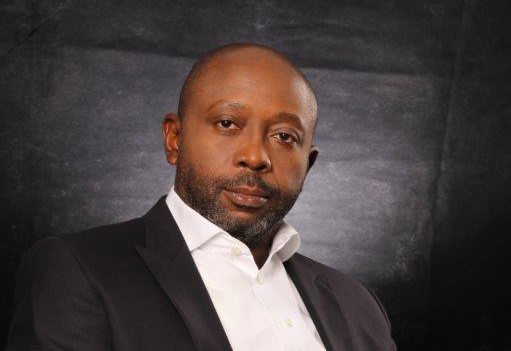
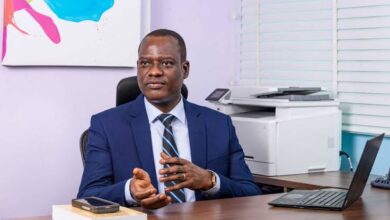
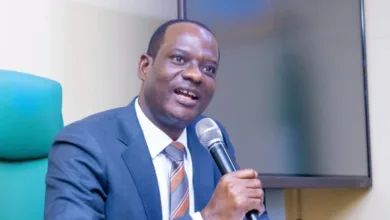
The new chairman of the Nigerian Economic Summit Group (NESG), Omoboyede Olusanya on Tuesday stated that Nigeria must stop measuring economic progress by headline growth figures and focus on jobs, productivity, incomes, and living standards.
In a statement on Tuesday, Olusanya said “growth that delivers” would be the guiding principle of his tenure, stressing that economic growth must translate into better livelihoods and expanded opportunities for Nigerians.
“Growth that delivers is growth whose impact is strongly felt,” he said.
Olusanya said the country must ensure that farmers earn more from improved productivity, manufacturers lower production costs, graduates secure decent jobs, and businesses access affordable financing.


He said children must receive the nutrition and healthcare needed to thrive.
According to Olusanya, recent reforms have helped restore macroeconomic stability but said the country must accelerate productivity, expand productive investment and ensure growth reduces poverty.
“Bridging the distance between macroeconomic stability and accelerated growth, and between accelerated growth and improved lives and livelihoods, is the task before us all,” he said.
Olusanya outlined five commitments that would guide the NESG’s work during his tenure, including accountability, evidence-driven policymaking, investment, expanding economic opportunities and institutional sustainability.
On accountability, he said every priority commitment from the summit would have a designated owner, timeline, and measurable success indicators.
He said the group would build on the NES accountability framework and publish progress ahead of NES#33.
lusanya said the NESG would strengthen its research and policy intelligence to produce rigorous, practical and costed recommendations linked to the national development plan 2026-2030.
He said the group would also work with the government, financial institutions, and partners to turn policy ideas into bankable projects and mobilise capital for agriculture, manufacturing, infrastructure, technology, entrepreneurship, and skills.
On expanding economic opportunities, Olusanya said the NESG would pay greater attention to micro, small and medium enterprises (MSMEs) and the informal economy across states and regions, in line with its ‘scale Nigeria’ agenda.
He said the organisation would broaden its membership, increase the participation of women and young people, protect its independence and strengthen its institutional sustainability.
The chairman called on governments at all levels to sustain and improve reforms, reduce the costs of power, logistics, and doing business, and maintain predictable policies backed by clear, measurable commitments.
He urged private-sector leaders to invest, innovate, develop workforce skills, pay fairly and create productive jobs.
Olusanya also challenged young Nigerians to build enterprises, acquire relevant skills and hold institutions accountable, while asking civil society organisations to monitor commitments and amplify the voices of underserved communities.
He said development partners should align their support with Nigeria’s priorities and focus on financing outcomes.
Olusanya further called for stronger trade and investment relations with the international community and closer collaboration between academia, industry, and policymakers to equip Nigerians with skills needed in a changing economy.
He said the group would remain independent, non-partisan, private-sector-led and evidence-driven while engaging constructively with the government.
“Our allegiance is to national prosperity and not to any administration,” he said.
He described the handover from Olaniyi Yusuf as a continuation of the NESG’s mission, which began in 1993, and commended the outgoing chairman for leading the organisation through a period of transition and reform.


 Follow our WhatsApp Channel