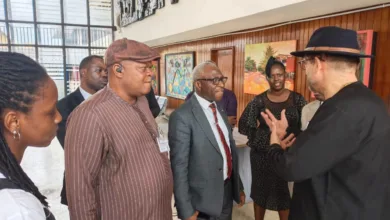
Akwa Ibom approved 1,000 teachers recruitment, priorities ICT graduates

The Akwa Ibom State Government has approved the recruitment of 1,000 additional teachers to address the shortage currently affecting public schools across the state, saying priority would be given to ICT and computer science graduates as part of efforts to strengthen digital education in schools.
The Chairman of the State Universal Basic Education Board (SUBEB), Rt. Hon. Anietie Etuk, PhD, disclosed this during a press briefing held at the SUBEB Headquarters in Uyo.
Etuk explained that the recruitment became necessary due to the inadequate number of teachers in public schools, stressing that many schools are currently understaffed.


“We do not have enough teachers in our schools. Therefore, we appealed to the Governor, and he has graciously approved the recruitment of 1,000 teachers. We are paying attention to ICT teachers because we already have computer laboratories that require qualified personnel,” he said.
The SUBEB chairman also raised concerns over recurring disputes between communities and school authorities over school lands, noting that such conflicts are negatively affecting school administration and student enrollment across affected areas.
He urged community leaders and School Management Committees to support the smooth running of schools and avoid actions capable of disrupting educational activities.
While commending the state government for its continued commitment to the education sector, Etuk stressed the importance of strong foundational learning, describing it as essential to overall development. He also reaffirmed the board’s commitment to sustaining ongoing reforms aimed at improving learning outcomes for pupils across the state.
Also speaking at the briefing, the Chairman of the Nigeria Union of Journalists (NUJ), Mr. Nsibiet John, praised Governor Umo Eno for prioritising education through the approval of the recruitment exercise. He described the employment of over 1,000 teachers as a major boost for schools, particularly in rural communities.