Edun to chair G-24 talks as emerging economies seek financing reforms
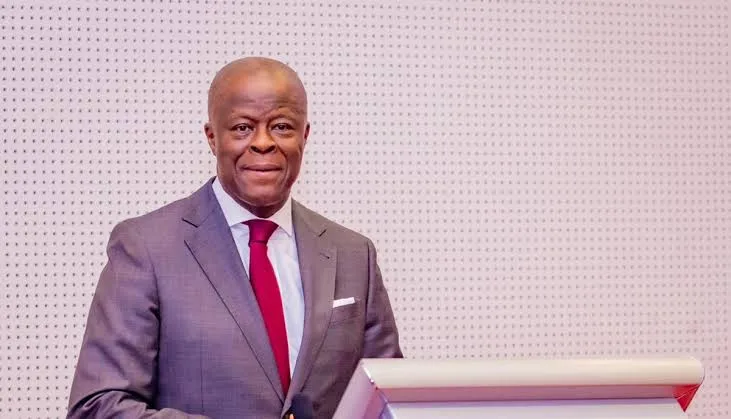
The Chairman of the Intergovernmental Group of Twenty-Four (G-24), Mr. Olawale Edun has called on central banks across the world to steer their economies out of energy crisis and geopolitical tensions.
Edun, who is Minister of Finance and Coordinating Minister for the Economy, also urged the banks to support the poor and the vulnerable.
Speaking on Tuesday during the G-24 news briefing at the ongoing World Bank/IMF Spring Meetings in Washington DC, U.S., he said: “Whether oil exporting or importing countries, what is important is helping the vulnerable and poor to tackle the impact of rising oil prices.”
“In particularly concessional financing to developing countries. We would like them to do more. We would definitely like them to provide, particularly at this time, additional liquidity, risk management tools that bring down the cost of financing.
“I will say in particular that the elevated borrowing costs and the debt servicing burden that developing countries are paying is weighing heavily on their ability to transform their economies and to achieve sustainable development,” he said.
Speaking on the need for central banks to create balancing act in monetary policy management, Edun said: “central banks and monetary policy at this time, should conduct a balancing role, where if interest rates are raised too early and too high in an effort to curtail or see potentially rising inflation, that too can damage the transformations.
“So, the central banks have a balancing act. They have a really important role to play in calibrating and helping to steer economies safely through this current energy crisis and geopolitical tensions,” he said.
Edun said Nigeria has been able to transmit higher oil prices into higher revenues.
He said that Nigeria was able to move very rapidly under the present government who came in in 2023 to remove subsidies on petroleum products, and to also remove subsidies that were related to the foreign exchange markets.
He said that the gains of the subsidy removal on petrol and forex have now been negatively affected by an external shock, which had nothing to do with Nigeria or developing countries as a whole.
“Having made so much progress, it is important that we don’t have a return to generalized subsidies, a sort of relapse into policies that have not proven successful in the past. So, then clearly, whether oil importing or oil exporting country, the focus really should be on helping the poorest and most vulnerable to cope with the increased pricing regime that they will face.,” he said.