FG launches five-year strategy to combat lead poisoning, protect public health

By Kunle Sanni –
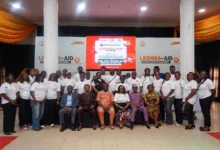
The Federal Government has unveiled a five-year strategic plan and inaugurated a National Inter-Agency Working Group to eliminate lead poisoning in Nigeria—an environmental and public health crisis that continues to threaten lives, particularly in northern states.
Speaking at a two-day workshop in Abuja to finalise and validate the strategy, the Coordinating Minister of Health and Social Welfare, Prof. Muhammad Ali Pate—represented by the ministry’s Permanent Secretary, Daju Kachollom—described the initiative as a “historic milestone” in the effort to safeguard the health of Nigerians. He warned that lead poisoning remains a silent but devastating threat, particularly to children.
“Lead poisoning is not just an environmental concern; it is a public health crisis that silently erodes the well-being of our children, causing irreversible damage to their developing brains and nervous systems,” he said. “For adults, it contributes to hypertension, kidney dysfunction, and reproductive challenges.”



Nigeria has experienced several devastating outbreaks of lead poisoning, most notably the 2010 crisis in Zamfara State, which claimed the lives of over 400 children. More recent cases have also been reported in Zamfara and Sokoto States.
In response, the government has introduced a range of interventions, including the provision of laboratory equipment, chelation therapy in collaboration with Médecins Sans Frontières (MSF), soil remediation, and public education initiatives.
Director of Epidemiology and National Coordinator of the Lead Elimination Programme, Mrs. Adegbite Olufunmilola, announced that the strategy would soon be formally launched. She expressed optimism that with strengthened collaboration, increased public awareness, and effective enforcement, lead poisoning could be eliminated in Nigeria.
Also speaking at the event, Dr. Ganiyu Jamiyu, Chief Consultant Epidemiologist at the ministry, described the plan as a critical step toward reducing heavy metal exposure in high-risk states such as Zamfara, Sokoto, and Niger. He cautioned that untreated lead poisoning in children can result in lifelong disabilities, mental retardation, or even death.