FG says 60% of electricity metering gap closed, 668,000 meters installed
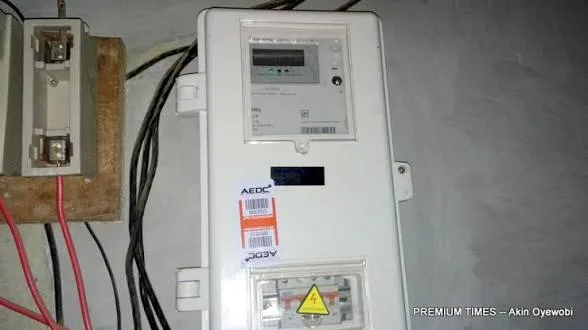
The federal government has disclosed that about 60 per cent of the meters delivered under Phase 1 of the World Bank-financed Distribution Sector Recovery Programme have been installed for electricity customers across Nigeria.
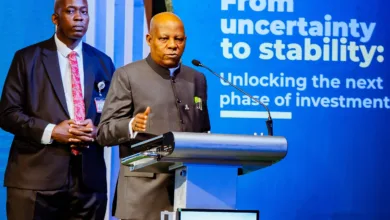
The Director-General of the Bureau of Public Enterprises, Ayodeji Ariyo Gbeleyi, disclosed this on Wednesday after the second meeting of the National Council on Privatisation for 2026, chaired by Vice-President Kashim Shettima at the Presidential Villa, Abuja.
Gbeleyi said 668,000 meters had been deployed and installed out of the 1.033 million meters delivered under the $500 million programme.
“On various issues, we provided updates on meter deployment under Phase 1 of the World Bank-financed Distribution Sector Recovery Programme. We have implemented 60 per cent of the meters that have been delivered in the country out of 1,033,000. So far, we have deployed and installed 668,000 meters on customers’ premises,” he said.

The metering drive is being implemented alongside initiatives such as the Presidential Metering Initiative, with the Federal Government seeking to reduce the electricity metering gap and curb estimated billing for registered customers.
Gbeleyi said the NCP also received an update on the implementation of the Electricity Act, particularly the transition from the Nigerian Electricity Regulatory Commission to state electricity regulatory commissions.
He said about 17 states had established their own electricity regulatory commissions since April 2024.
Akwa Ibom State, he noted, became the latest state to establish its electricity regulatory commission in July 2026.
According to him, some aspects of the implementation of the Electricity Act require further clarification and amendments.
“Council has directed that stakeholders, led by the Attorney-General of the Federation, the Honourable Minister of Power, the Special Adviser on Power, the Office of the Special Adviser to the President on Oil and Gas, the Nigerian Electricity Regulatory Commission, the BPE and all other critical stakeholders, should engage constructively,” he said.