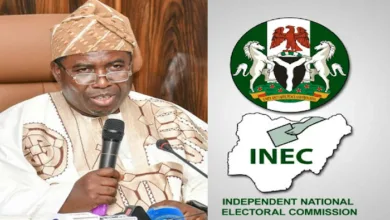
Atiku’s fuel subsidy model may cause N12bn daily revenue loss — IMPI
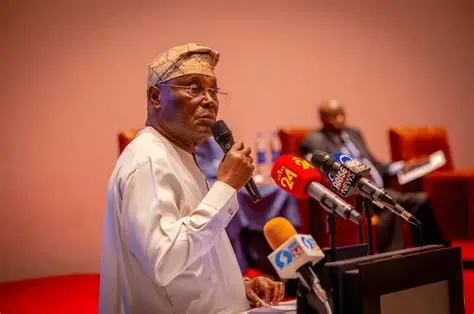
The Independent Media and Policy Initiative (IMPI) has said the proposal by the African Democratic Congress (ADC) presidential candidate, Atiku Abubakar, to restore fuel subsidy could cost Nigeria at least N12 billion in daily revenue losses.
In a policy statement signed by its chairman, Dr Omoniyi Akinsiju, the policy research group said the revenue loss under Atiku’s proposed production-side subsidy model could have significant implications for the national economy.
IMPI said its assessment focused on potential losses arising from cross-border fuel smuggling, which it attributed to the price gap that could emerge between subsidised domestic petrol prices and international market prices.
According to the group, domestic petrol consumption could rise from about 45 million litres per day to between 60 million and 65 million litres under a subsidised regime, driven by increased demand and illicit cross-border trade with neighbouring Benin, Togo, Niger and Cameroon.


It estimated that between 15 million and 20 million litres of petrol could be smuggled across the borders daily. Using a hypothetical subsidised pump price of N500 per litre against an international landed cost of N1,100, IMPI said the implied subsidy would be N600 per litre.
“Direct fiscal subsidy loss in Naira and US Dollars would equal 20,000,000 litres smuggled a day multiplied by a N600 discount per litre, which will equal N12 billion a day,” the group said.
IMPI said the projected daily loss would amount to about N4.38 trillion annually, or $3.12 billion, based on an exchange rate of N1,400 to the dollar. It added that such losses would represent revenue that could otherwise accrue to the Federation Account Allocation Committee (FAAC) for national development.
The group further warned that subsidised fuel could encourage smuggling, create artificial shortages and cause prolonged queues at filling stations in border states, while diverting crude oil resources towards cross-border arbitrage rather than domestic development.