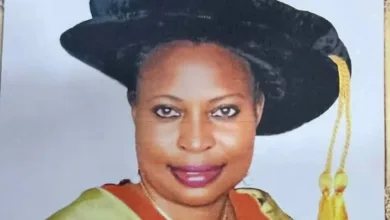
McU Registrar Alawode calls for inclusive AI adoption in universities

The Registrar of McPherson University, Emi’ Alawode, has called for greater inclusion in the adoption of artificial intelligence in higher education, stressing the need for universities to ensure that people across generations have a role in the digital transformation of the sector.
Alawode made the call while participating virtually as a panel catalyst at the 2026 Women Leaders in Higher Education (WLHE) Summit, held from September 16 to 18 in Cape Town, South Africa.
The summit brought together higher education leaders and stakeholders from different countries, institutions and professional backgrounds to examine innovation, artificial intelligence and emerging issues in university leadership and transformation.
Alawode participated in Panel 3 on the second day of the summit, themed “Intergenerational Perspectives on Digital Transformation in Higher Education.” The session, led by Professor Seun Oyekola, was part of the day’s theme, “Innovation & AI for Transformation in Higher Education.”




Drawing on more than two decades of experience spanning media, academia and digital communities, Alawode said universities should approach digital transformation from a human-centred perspective rather than focusing solely on technological advancement.
“Digital transformation is not about technology. It is about people,” she said, stressing the importance of combining the digital confidence of younger generations with the institutional knowledge, experience and judgment of older professionals.
She also highlighted the implications of AI for teaching, research, administration, academic integrity and institutional decision-making, urging universities to adopt the technology responsibly. Alawode said AI should enhance human capabilities rather than replace human responsibility, while institutions should address affordability, connectivity, digital literacy, privacy and equitable access, particularly in Africa.
Emphasising the importance of cross-generational participation, she said universities should move beyond stereotypes and create opportunities for people of different ages to learn from one another. “So, whether one is aged 22, 42, 62 or 82, everyone is needed in the AI conversation,” Alawode said.