SEC urges private universities to explore capital market funding
By Boye Oyeyemi
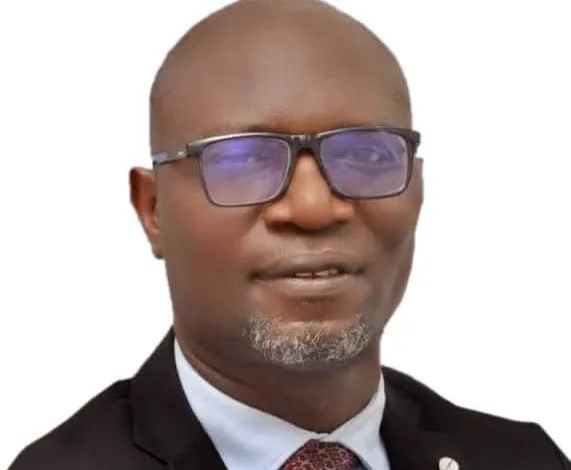
The Director-General of the Securities and Exchange Commission (SEC), Dr. Emomotimi Agama, has urged private universities in Nigeria to explore capital market opportunities to finance infrastructure and academic development rather than rely largely on tuition fees.
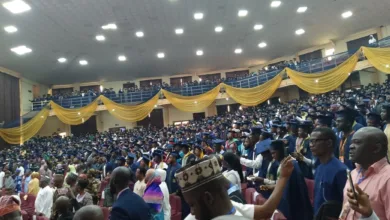
Agama gave the advice while delivering the 16th convocation lecture of Achievers University, Owo, Ondo State, titled “From Grants to Growth: Financing Nigeria’s Universities Through the Capital Market.”
He described dependence on students’ fees as an inadequate funding model for long-term institutional growth, arguing that universities could not sustainably finance major infrastructure projects with revenue generated annually from tuition.



According to him, the capital market offers universities access to long-term financing instruments that can support the construction of lecture halls, hostels, research facilities and other essential infrastructure.
“A university financed only by tuition is not self-funding. It is hand-to-mouth. Everything required to fund this university properly already exists inside the Nigerian financial system,” he said.
The SEC director-general identified pension funds, valued at more than ₦31.5 trillion, and the Investments and Securities Act 2025 as opportunities universities could leverage through bonds, sukuk and Real Estate Investment Trusts (REITs). However, he stressed that institutions must demonstrate transparency, maintain audited financial records and separate university administration from their promoters to attract investors.
Agama also described the Federal Government’s student loan scheme as a commendable intervention, disclosing that discussions were ongoing on the possibility of extending the initiative to students in private universities. He added that Achievers University itself was established through a private placement involving shareholders.
Earlier, the university’s Pro-Chancellor, Prof. Bode Ayorinde, said the institution was determined to become Africa’s best university but identified inadequate funding as a major obstacle to achieving the ambition. He expressed optimism that access to capital market financing would reduce borrowing costs, ease pressure on tuition fees and lower the financial burden on students.