Nigeria’s baseline changed forever — by Seyi Akinsola
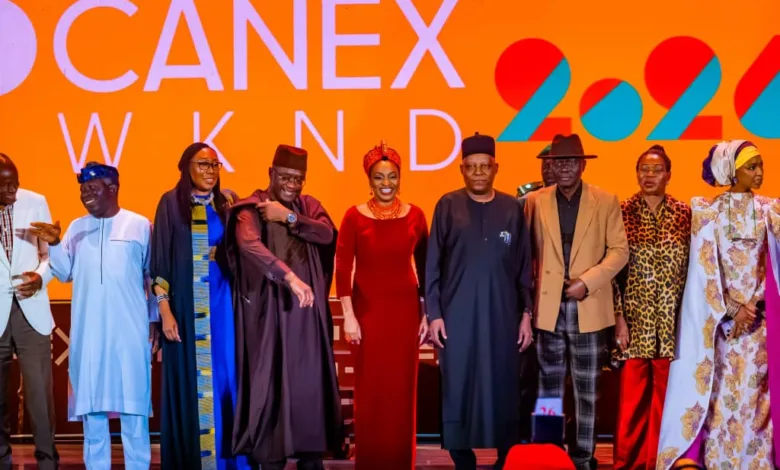
One test of a government’s legacy is what its successors will be compelled to retain. President Bola Ahmed Tinubu has laid foundations that will be politically difficult for any future administration to dismantle.
His opponents may attack the implementation, promise improvements or change the branding. But I challenge any of his opposition to state which of the following they will reverse:
- Will they abolish NELFUND and tell students who depend on it to access higher education to go to hell? Will they tell them that they must once again stop their dream of higher education where their parents’ pockets end? A successor can only improve funding, accountability and repayment arrangements. They can even change the name if they like. I dare Atiku or Obi to campaign on cancelling the scheme
- Will they reverse foreign-exchange reform and restore a system in which access to preferential official rates creates opportunities for arbitrage and rewards proximity to power? May those days never return. I know many kids who missed opportunity to study abroad because they could not access forex to pay their deposit. There is room to debate how the transition was managed. There is every reason to demand greater currency stability. But I dare Obi or Atiku to promise they will return us to those dark days of having your money and not being able to access it
- Will they take back the increased resources available to states and local governments? Which incoming president will announce that governors and councils should have less capacity to fund public services? They can argue we need more accountability. I dare anyone Obi or Atiku to say they would reduce allocation
- Will they dismantle the comprehensive tax reforms and return to a more fragmented framework? Tax laws can be amended, and weaknesses should be corrected. But a successor who promises economic modernisation will struggle to justify abandoning the work of simplifying and coordinating taxation. The tax base has been expanded, and some people on low income have been given some breathing space. I threw a challenge earlier this year that if anyone who earns less than N800k a year shows their payslip where they pay more tax this year than last year, I will give them 100k. No one has taken that challenge. Again, I dare Obi or Atiku to campaign they will drag these people back into paying tax on income of less than 800k
- Will they reverse electricity decentralisation and tell states to surrender the opportunity to develop and regulate their own electricity markets? After years of demanding that power generation and supply escape excessive central control, why should Nigeria willingly close that door? The task is to make these markets deliver reliable electricity.
- Will they reduce the ₦70,000 national minimum wage? I dare them to promise a return to ₦30,000.
I am not saying every reform is perfect or that Nigerians’ hardship should be dismissed. Implementation matters. Purchasing power too matters. Public money must produce visible public benefit. A reform earns lasting legitimacy when it improves people’s lives.
I realise an administration cannot legally bind every successor forever. Politically, however, reforms become difficult to undo when they create beneficiaries, establish rights and open opportunities that citizens expect to keep.

That is the challenge confronting Tinubu’s critics. I want them or their supporters to name the reform they will reverse, identify those who will lose, and explain why Nigeria will be better off.
Until then, the most credible person to elect in the coming election is PBAT to continue the great work he’s doing
God bless Nigeria