NNPCL supplies more crude to Dangote refinery as petrol crosses N1,000/litre
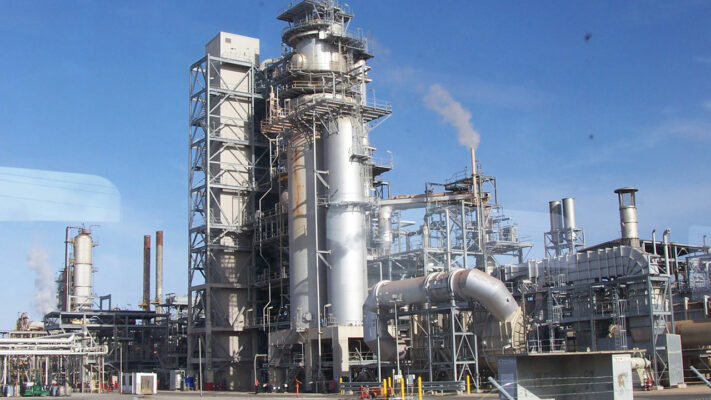
The Federal Government, through the Nigerian National Petroleum Company Limited (NNPCL), has taken steps to secure crude oil supply for the Dangote Petroleum Refinery via third-party international traders to sustain local refining operations.
This is coming when petrol prices are becoming increasingly burdensome for the average Nigerian consumer, fueled by the recent conflict in the between USA/Israel and Iran.
Escalating conflicts in Israel and Iran, particularly attacks on refineries in Alborz and Tehran, have marked the first airstrike conflicts in some time, now on the tenth day of the conflict.
Iran was the first to strike, targeting shipping routes in the Strait of Hormuz, a vital corridor where 20per cent of the world’s oil transits, which has been affected by shortages. These disruptions have raised concerns in the oil markets.


Meanwhile, the psychological barrier of N1,000 per litre has been breached in most parts of the country.
Dangote refinery suspended PMS loading over the weekend of March 7-8, reflecting logistical challenges in maintaining domestic supply amid volatile global crude markets.
Reliable crude allocation is crucial for stabilizing and petrol scarcity in West Africa’s largest economy.
Officials warned Nigerian consumers might not immediately notice a drop in fuel prices, especially given the recent price hikes at the Lekki refinery.
Dangote Refinery needs around 13 – 14 cargoes of crude per month to operate at full capacity. NNPC has been supplying about 5 cargoes a month at best.
Africa’s largest refinery must buy crude from foreign traders to cope with this shortfall. Foreign traders create a charged premium around crude, as crude is at an inflated price due to current global tensions.
The Lagos-based refinery claimed to absorb about 20% of the price increase, meaning to soften the blow; however, 80% of that is being passed to the marketers and consequently, the end user.
These price adjustments are driven by global gains stemming from the US-Israeli-Iran conflict, which has kept Brent Crude prices around $115 a barrel. Crude imports were made at replacement costs because of high global prices, and the refinery delays loading to avoid selling at a loss before prices rise again.
State Officials caution that consumers might not see an immediate decrease in fuel prices from these interventions.
Nigerians are already struggling with high fuel prices, exacerbated by the recent increase in prices at the $20 billion refinery in Lekki. Oil dealers reported that the refinery temporarily halted PMS loading, fueling speculations of another impending price hike.
This marks the third spike in a week, with some stations selling gasoline at roughly N1,200 per liter Following price increases from N774 to N995 per litre. Retail prices in several Nigerian states now exceeded N1,100 per liter, deepening the financial strain on the Nigerian populace.
Oil prices in Asia surged by 30per cent for the first time in 2022, driven by conflicts involving the US, Israel, and Iran. WTI and Brent crude increased by 30% and 25per cent, respectively, with prices reaching $119 and $117 a barrel.