Olukoyede warns public officials against corruption, abuse of office
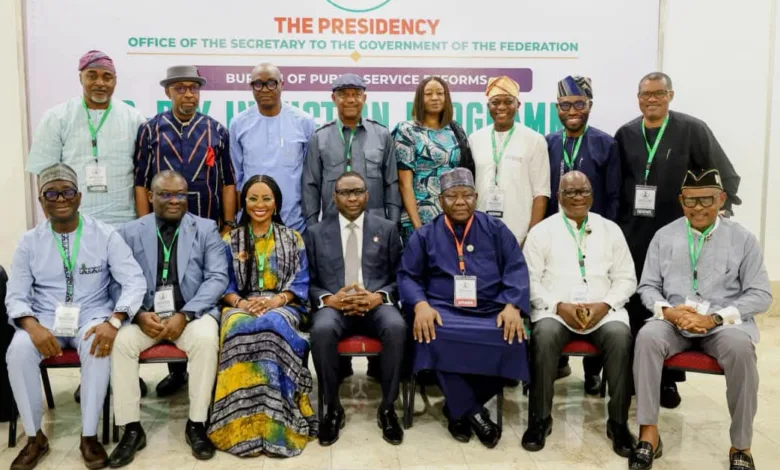
The Executive Chairman of the Economic and Financial Crimes Commission (EFCC), Ola Olukoyede, has warned public officials against engaging in fraudulent practices, saying public service should be driven by accountability rather than personal enrichment.
Olukoyede gave the warning on Thursday in Abuja while speaking at a two-day induction programme organised by the Bureau of Public Service Reforms for the chairman, chief executive officer and governing board members of the South-South Development Commission (SSDC).
Speaking on the theme, “The Role of the Economic and Financial Crimes Commission in Improving Accountability in the Public Service,” he said public resources must be managed ethically, efficiently and in the interest of citizens, lamenting that corruption continues to undermine effective governance in Nigeria.
According to him, Nigeria loses billions of naira annually to corruption in the public service through the diversion of funds meant for infrastructure and social services.


Olukoyede identified common forms of corruption in the public sector as treasury theft, diversion of public funds, bribery, kickbacks, contract and procurement fraud, payroll and pension fraud, misappropriation of funds and duty tour allowance fraud.
He described contract fraud as the most common form of corruption in public institutions, alleging that some officials manipulate procurement processes to enrich themselves through contract splitting, bid rigging, awards to unqualified companies and payments for poorly executed or abandoned projects.
The EFCC chairman urged the newly appointed officials to resist viewing their appointments as opportunities to “share the national cake,” warning that public office was not an invitation to loot public funds.
“Please, tread with caution. Public service is not an invitation to loot the treasury. Familiarise yourselves with the Financial Regulations, Public Service Rules and the Procurement Act, and ensure strict compliance with all extant regulations to avoid investigation and prosecution for corruption-related offences,” he said.