S&P’s upgrade: Nigeria’s reform story is being priced differently — by O’tega Ogra
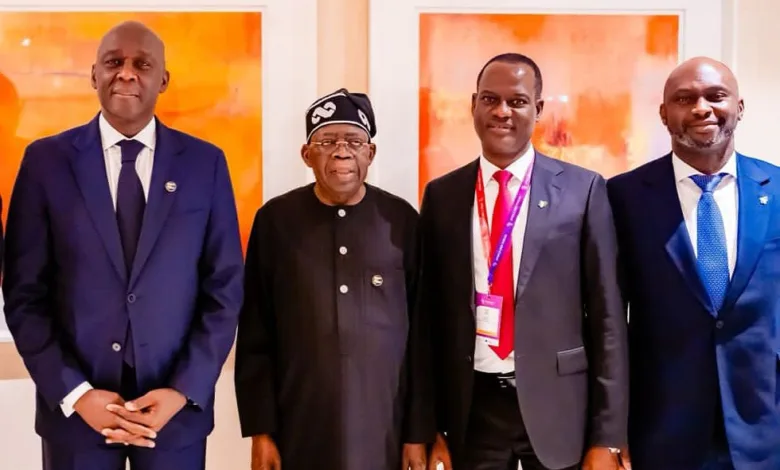
Nigeria’s latest upgrade by S&P Global Ratings from B minus to B, with a stable outlook, is an important vote of confidence in the difficult but necessary reforms being implemented under President Bola Ahmed Tinubu.
It confirms what we have consistently said. Nigeria is turning the corner, not by chance, not by rhetoric, but by the courage to take decisions that should have been taken years ago.
This is not just about a rating. It is about credibility returning to the Nigerian economy.
S&P points to stronger oil production, increased domestic refining capacity, improved balance of payments, rising foreign exchange reserves, exchange rate liberalisation, stronger fiscal revenue, and the government’s continued commitment to reform. These are the foundations of a more stable economy.

For years, Nigeria paid heavily for postponed decisions. Subsidies drained revenue and foreign exchange. Multiple exchange rates rewarded arbitrage instead of productivity. Oil earnings were weakened by theft, leakages, and poor remittance discipline. The tax base remained too narrow for a country of our size and ambition.
President Tinubu chose a different path. He chose correction over comfort. He chose reform over illusion. He chose the harder road because serious nations are not built on temporary relief that mortgages the future.
That is what this upgrade recognises.
But this is not the moment for empty triumphalism. Many Nigerians still feel the pressure of food prices, transport costs, and the cost of living. Mr President is aware and doing the hard work to close that gap.
The point is that the foundation is being repaired.
And foundations matter because no household can enjoy lasting relief from an economy built on weak revenue, scarce foreign exchange, artificial pricing, expensive borrowing, and fiscal pretence.
For the regular Nigerian, the upgrade does not mean prices fall tomorrow morning. It means the country is becoming less risky, more investable, and better positioned to attract capital, support jobs, finance infrastructure, reduce pressure on debt service, and create the conditions for real recovery.
The real test now is transmission.
The gains must move from the report to the road, from reserves to relief, from investor confidence to factory floors, from improved revenue to better public services, from macro stability to household dignity. And they will. We have a President that has the capacity and the depth to ensure this happens in the quickest possible time while guaranteeing our country’s long term sustainability and shared prosperity.
At the Africa CEO Forum in Kigali, President Tinubu made the wider point clearly. Africa must put its own house in order, but the world must also stop pricing the continent through old suspicion when African countries reform, stabilise, produce, and take hard decisions.
So yes, Nigeria welcomes S&P’s upgrade.
It is useful.
It is positive.
It strengthens confidence.
But it also reminds us that Africa must build its own instruments of confidence. We must earn global respect while developing credible African institutions that understand our markets, our resilience, our informality, our demographics, and the full texture of our reform journey.
That is the balance.
We welcome external validation.
We however will never outsource national conviction.
Nigeria has not fully arrived yet, but Nigeria has turned the corner for good.
And once a serious nation turns, the duty is to keep moving with discipline, courage, compassion, and the quiet confidence of a country that knows its future will not be handed to it.
It will be built.