Too hard to please: The tragedy of Nigerian leadership and followership, by Tony Ogbetere
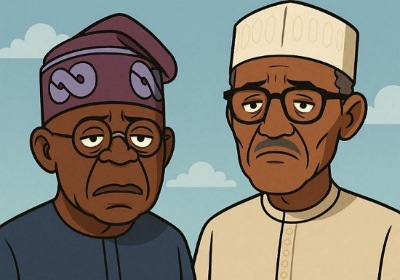
It is often said that Nigerians are some of the most difficult people to govern. No matter how much a leader tries, there will always be those who say it was not enough. The death of former President Muhammadu Buhari has brought this truth back into the spotlight. While many came out to mourn him sincerely, it is also shocking how some Nigerians openly rejoiced at his passing, mocked his legacy, and poured out harsh words against a man who once held the highest office in the land.
This attitude is even more surprising when you consider what Buhari tried to do during his time as president. He subsidized fuel, electricity, and even the exchange rate. At a time when other countries were removing these supports, he kept them going, trying to shield the poor and struggling citizens from the harsh realities of a broken global economy. He fought corruption in his own quiet way and lived a life that many agree was far from extravagant. He was not a perfect man, but his intentions, to many, were sincere.
Yet, in the end, it seems that sincerity was not enough to satisfy the ever-demanding expectations of some Nigerians. As soon as he died, instead of reflecting on his sacrifices, some chose to dance on his grave. What is even more confusing is that the same people who mocked Buhari are now turning their anger toward President Bola Ahmed Tinubu, who has removed the same subsidies that Buhari sustained for years.
Tinubu came into office and chose to tackle the country’s problems head-on, reversing many of Buhari’s policies along the way. This led to harder times—prices skyrocketed, and everyday life became more difficult.



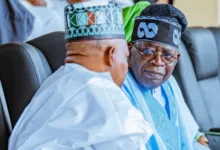
Ironically, the same people who celebrated Buhari’s passing are now wishing death upon Tinubu. They rejected Buhari, who subsidized almost everything to ease their burden, and now they reject Tinubu, who is carrying the weight of making tough but necessary choices.
This says something deep about us as a people. We don’t always know what we want. We complain when leaders give us relief, and we still complain when they take it away. When a president tries to be kind, we call him weak. When another comes to take tough action, we call him wicked. It shows clearly that we are not just dealing with leadership problems—we are also dealing with a crisis of followership and national attitude.
The truth is, Nigerians have hardly praised any past president. Not after they left office. From Shagari to Babangida, from Obasanjo to Jonathan, every one of them has faced criticism, insults, and public shaming. Now Buhari has joined that line. If care is not taken, Tinubu may face the same when his time is up. This is a sad cycle, and it needs to stop. While it is important to hold leaders accountable, it is also important to be fair, to acknowledge the good they did, and to show respect where it is due—especially in death.
Muhammadu Buhari may not have solved all of Nigeria’s problems, but he certainly did not cause all of them. He was a man who believed in discipline, in sacrifice, and in protecting the weak. Even if some did not agree with his methods, his intentions were never in doubt. It is painful to see that in a land where elders are respected and the dead are honored, a former president is not spared from insults even in his grave.
As we move forward as a nation, we must learn to be more balanced. We must realize that no leader can perform magic in a country this complex. And we must begin to show respect—not just to the dead, but also to the living who carry the heavy burden of leadership. That is how nations grow. That is how healing begins.
Rest in peace, Muhammadu Buhari. History will speak—loudly and clearly.