US-Iran talks postponed as Vance pulls out of Switzerland trip
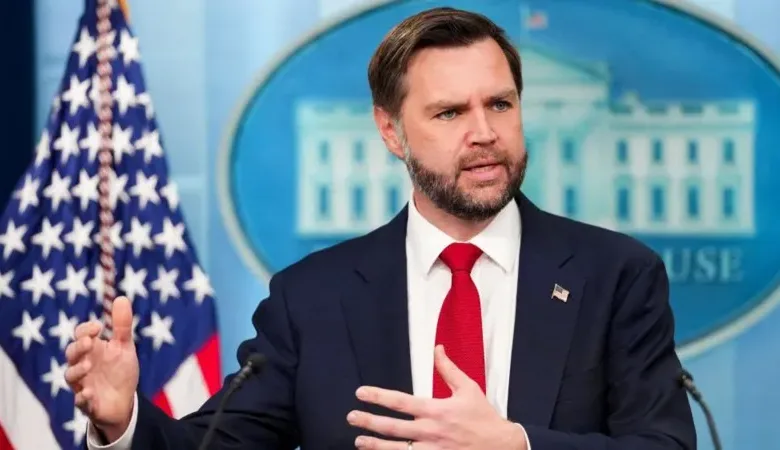
A new round of direct talks between the United States and Iran has been postponed after US Vice-President JD Vance delayed a planned trip to Switzerland.
The White House announced late on Thursday that Vance would no longer attend the talks, citing logistical challenges and saying arrangements had not been “simple or predictable.”
The development comes a day after the US lifted its naval blockade of Iran following the signing of an agreement aimed at ending hostilities between the two countries.
Although the agreement also called for an end to fighting in Lebanon, the Lebanese health ministry reported that Israeli strikes killed at least 18 people in the country’s south overnight.

The Israeli military said it targeted the Iran-backed Hezbollah group and confirmed that four of its soldiers were killed.
Earlier reports from Hezbollah-linked Lebanese media suggested that the talks had been suspended due to continued Israeli air strikes.
Negotiators had been expected to meet for what US officials described as “technical discussions” on implementing the agreement signed earlier this week.
However, Washington said plans for the meeting had not been finalised, adding that it looked forward to beginning technical talks as soon as possible.
Switzerland’s foreign ministry later confirmed that the discussions at the Burgenstock resort had been postponed, though preparations for future talks were continuing.
The negotiations were expected to focus on implementing the Memorandum of Understanding and beginning discussions on long-term issues, including Iran’s nuclear programme.
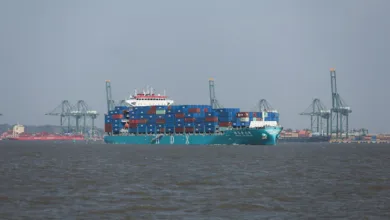
The 14-point agreement includes reopening the Strait of Hormuz, a commitment that Iran will never develop a nuclear weapon, a $300 billion reconstruction plan for Iran and the removal of US sanctions.
The agreement also commits both sides to reaching a final deal within 60 days, with the possibility of an extension by mutual consent.
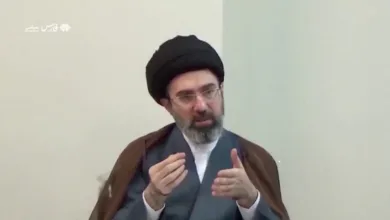
Iran’s Supreme Leader, Mojtaba Khamenei, said he approved the agreement despite holding a “different view,” claiming that US President Donald Trump had used significant pressure to secure the deal.
Khamenei said future face-to-face negotiations between Tehran and Washington would continue but would not signify acceptance of the US position.
Trump has said he expected a ceasefire to take effect on all fronts, including between Israel and Hezbollah in Lebanon, as outlined in the agreement.
Despite that, both Israel and Hezbollah have continued to exchange attacks since the deal was announced.
Lebanon’s state news agency described the latest bombardment as one of the most intense of the conflict, with the health ministry reporting 18 deaths, 33 injuries and damage to several buildings.
The Israel Defense Forces said the strikes targeted infrastructure and individuals linked to Hezbollah.
Following the deaths of four Israeli soldiers, Israel’s National Security Minister, Itamar Ben-Gvir, called for a tougher response, declaring that “all of Lebanon must burn.”
Vance had earlier criticised some members of Israeli Prime Minister Benjamin Netanyahu’s cabinet over their opposition to the agreement, saying Israel should “wake up and smell the reality.”
Lebanon became involved in the conflict after Hezbollah launched rockets into Israel following a strike that killed Iran’s supreme leader.
Israel responded with air strikes across Lebanon and a ground offensive in parts of the country’s south aimed at pushing Hezbollah fighters away from its northern border.
Lebanese authorities say more than 3,900 people have been killed in Israeli attacks since the conflict escalated, while Israeli authorities report that at least 30 soldiers and four civilians have been killed on both sides of the border.
Credit: BBC