Oyo counters MURIC’s anti-Islam allegation against Makinde, cites mosque projects
By Adejayan Gbenga
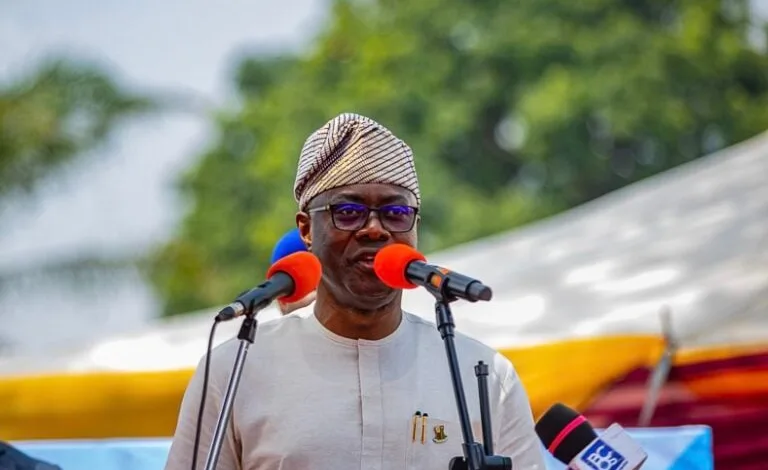
The Oyo State Government has dismissed allegations by the Muslim Rights Concern (MURIC) that Governor Seyi Makinde is anti-Islam, citing his contributions to Muslim organisations and support for Islamic activities before and during his administration.
The governor’s Special Adviser on Media, Dr. Sulaimon Olanrewaju, stated this in a statement issued on Thursday, describing the allegation as one that “falls flat on its face”. He maintained that Makinde’s record of engagement with the Muslim community contradicted claims of religious hostility.
Olanrewaju said Makinde’s relationship with Muslims predated his assumption of office in 2019, noting that he built the Omituntun Mosque and employed a resident imam several years before becoming governor. He added that the Omituntun family had sustained its engagement with the Muslim community through Ramadan lectures and other Islamic programmes.

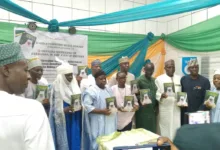
According to him, the governor also supported Islamic programmes, donated buses to Muslim organisations and recognised the Islamic calendar. He specifically cited the declaration of a work-free day to commemorate Hijrah, the Islamic New Year, as evidence of the administration’s recognition of Muslim religious observances.
The media aide challenged MURIC to identify any Islamic practice abolished, Muslim institution proscribed, Islamic celebration banned or religious right withdrawn by the Makinde administration since 2019. He insisted that the government had not introduced any policy restricting the practice of Islam in the state.
Addressing allegations concerning Christmas carols in schools and the governor’s attendance at Christian crusades, Olanrewaju said no official directive, circular or policy had been presented to establish that Makinde ordered Muslim students or teachers to participate in Christian activities against their wishes.
The government also defended the demolition of the Adogba Central Mosque during the reconstruction of the Iwo Road Interchange in Ibadan. Olanrewaju said Makinde had visited the mosque before its demolition, worshipped alongside Muslims, explained the need for the infrastructure project and promised that the mosque would be rebuilt. He added that the governor fulfilled the promise by handing over a reconstructed mosque with modern facilities to the Muslim community, with prominent Islamic leaders, including the Sultan of Sokoto, attending its commissioning.
The government maintained that Makinde’s record demonstrated his commitment to religious inclusion and the constitutional rights of people of all faiths. It also expressed confidence that he would uphold the rights of Nigerians irrespective of their religious affiliations if elected president in 2027.