Nigeria’s student loan scheme: light in a time of burden, by Olabode Opeseitan
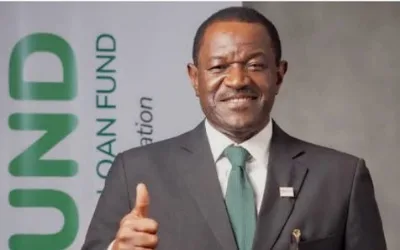
When a parent like Professor Emmanuel Oyemilo publicly thanks NELFUND for lifting the weight of school fees for his three university children, it’s not just a personal relief—it’s a national signal. This is what reform looks like: practical, measurable, and deeply humane.
Undoubtedly, criticism is vital for societal transformation. It keeps leaders accountable and policies honest. But there’s a difference between constructive scrutiny and chronic cynicism. The latter clouds progress, distorts truth, and undermines hope.
To say President Bola Tinubu has done “nothing” since assuming office two and a half years ago—as some opposition elements and their chorus of critics unfoundedly claimed—is not just inaccurate. It is a refusal to see light when it shines.
The facts speak for themselves:
As of October 2025, the Nigerian Education Loan Fund (NELFUND) has received 846,462 applications and disbursed over ₦107.69 billion to support students across 231 accredited institutions. Of this, ₦61.33 billion covered institutional fees, while ₦46.35 billion went directly to students as upkeep allowances. Already, 581,878 students have benefited from this initiative—proof that the reform is not just theoretical, but transformational.



The newly announced application window for the 2025/2026 academic session, opening October 23, extends this opportunity to even more families. It is a continuation of a policy that says: no Nigerian child should be denied higher education because of poverty.
Nigeria’s march to greatness demands clarity, courage, and fairness. Let us call out the naysayers—not to silence them, but to remind them that patriotism includes recognizing progress when it happens. The burden is lifting. The light is real. Let’s not pretend it’s darkness.