Segun Osoba remembered for role in anti-military struggle, radical scholarship
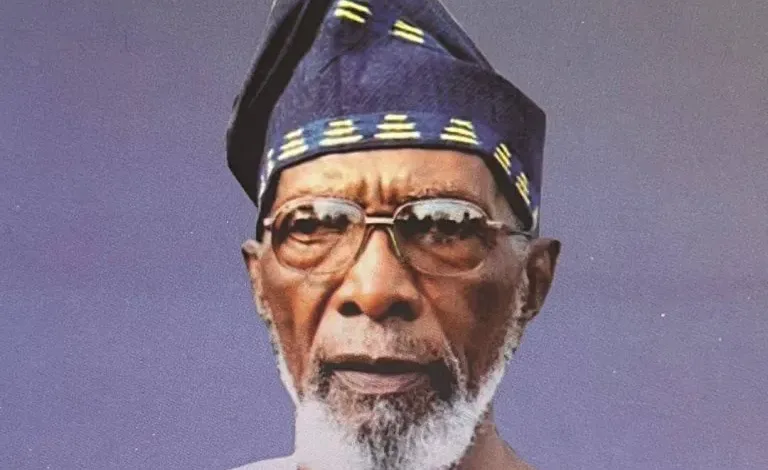
Renowned scholar and activist, late Professor Segun Osoba, has been remembered for his contributions to radical scholarship, anti-military struggles and the mentorship of generations of progressive Nigerian students and intellectuals.
In a statement issued on Thursday, Comrade Professor Chief G. G. Darah of the Udje Heritage Centre, Ovwian Town, Delta State, described Osoba as a leading figure in Nigeria’s progressive academic movement whose influence shaped many young activists between 1978 and 1990 at the then University of Ife.
Darah compared Osoba’s impact on the Ife campus to that of the late Comrade Ola Oni at the University of Ibadan and Professor Eskor Toyo at the Universities of Maiduguri and Calabar, saying the trio inspired generations of students to embrace revolutionary and humanist ideals.
According to him, Osoba was trained in History in the former Union of Soviet Socialist Republics (USSR) and combined his academic career with active participation in struggles against military dictatorship in Nigeria between 1966 and 1999.

He noted that the historian was widely recognised for co-authoring the 1976 Minority Constitutional Report alongside Yusuf Bala Usman of Ahmadu Bello University, Zaria.
Darah also recalled that Osoba, alongside Omafume Onoge and Bala Usman, was among three Marxist scholars sent by the Nigerian government to China in 1976 to understudy the Chinese educational system during the military administration of Generals Olusegun Obasanjo and Shehu Musa Yar’Adua.
“This is not the time to mourn but to mobilise. Segun Osoba lived a long and fulfilled life; he qualifies for automatic admission into the Elysium of African Ancestral Heroes and Heroines,” Darah said.
He added that Osoba’s life and ideals should continue to inspire Africans to pursue social justice and what he described as the anti-imperialist revolution needed for the continent’s development.