The audacity of vision: Why Tinubu’s bold risks might rewrite Nigeria’s history — by Nnaemeka Ikerionwu
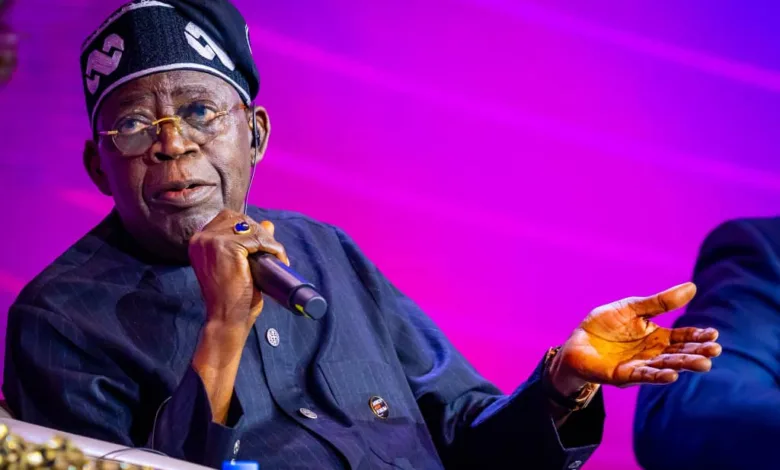
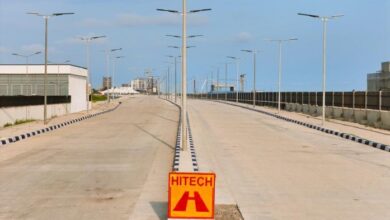
President Bola Ahmed Tinubu is ambitious and unusually stubborn when it comes to taking bold developmental risks. Projects like the Lekki Corridor, the Lekki Free Trade Zone, and Eko Atlantic City were not born from timid thinking or small-scale vision; they are monuments to high-stakes audacity.
This is partly why political comparisons between Peter Obi and Asiwaju can be frustrating. Tribe and sentiment aside, there is a fundamental difference in philosophy. Respectfully, Obi’s economic and infrastructural approach does not seem to project the same scale of audacity required for transformational nation-building.
When analyzing leadership styles in Nigeria, the contrast between structural audacity and fiscal conservatism becomes glaringly obvious. To put it plainly, Peter Obi’s foundational philosophy is not built for the daring, trillion-naira mega-projects that a massive economy requires to break its chains.
Faced with a project on the scale of the Lagos-Calabar Coastal Highway or the Sokoto-Badagry Expressway, a conservative mindset naturally shrinks back. It views these massive capital investments through a narrow lens of immediate cost, ultimately labeling them as a “waste of funds.”
But structural transformation is not a retail business.
You cannot parsimoniously (doing something in a way that is extremely frugal, stingy, or excessively careful with money) manage a nation into greatness. To unlock Nigeria’s true economic potential, you must actively open up the country. These multi-trillion-naira arterial roads are not mere infrastructure; they are the literal economic corridors that connect markets, ignite regional trade, and catalyze industries that have remained dormant for decades.
While a cautious leader focuses on balancing the books of today, a visionary leader understands that you must build the infrastructure of tomorrow no matter how staggering the initial price tag. Without that audacity of vision, a nation remains stagnant, trapped in a cycle of managing poverty rather than creating generational wealth.
Like him or hate him, Tinubu is wired for large-scale vision. Obi and Atiku are not.
We should expect the President to continue borrowing, perhaps even more aggressively, to finance projects capable of fundamentally reshaping Nigeria’s infrastructure landscape. While the criticism is loud today, if these projects materialize successfully over the next eight years, history may eventually force even his harshest critics to reconsider their judgments.
The country is undeniably hard right now and no one can deny the current struggle. However, history shows that nations often endure painful transitions when they finally discover a path toward structural progress and economic reinvention. High-level transformation is rarely comfortable, but it is often necessary.
Ikerionwu is a Minister | Conference Speaker | Entrepreneur | Conversation Starter