BREAKING: Ebola: FG traces contacts of infected Nigerian, begins containment measures
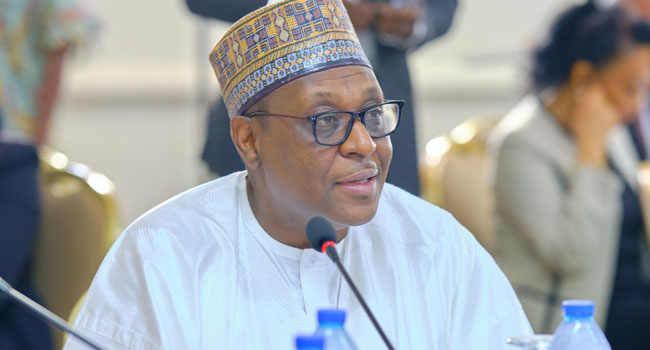
The federal government says it is tracing contacts of Nigeria’s newly confirmed Ebola case and implementing containment measures to prevent the virus from spreading within the country.
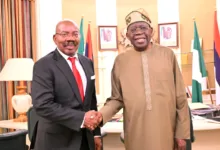
The Minister of Health and Social Welfare, Professor Muhammad Ali Pate, said this on Wednesday after a meeting with Femi Gbajabiamila, Chief of Staff to President Bola Tinubu, at the Presidential Villa in Abuja.
Pate said Nigeria was collaborating with Uganda, where the infected Nigerian had reportedly travelled, to manage the situation and prevent further transmission.
“All I can tell you is that we are collaborating with our sister African nation of Uganda. What is important is that we have found this one case. We are doing contact tracing, and we are putting containment measures to ensure that it doesn’t go into our population,” he said.


The minister urged Nigerians to remain vigilant without panicking, assuring them that the country had the public health institutions and expertise needed to respond to the outbreak.
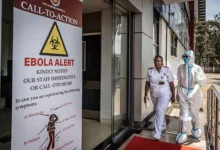
He cited Nigeria’s experience in managing the 2014 Ebola outbreak, adding that the Nigeria Centre for Disease Control and Prevention (NCDC) had activated its incident management system and that a task force was working round the clock.
“We must be vigilant, but not panic, and people should respect public health information from trusted sources, and not spread misinformation and false rumours,” Pate said.
He added that the government would continue to provide updates as more information became available, noting that the situation was being closely monitored.
“We have things in place that give us confidence that Nigeria can weather through this public health crisis. Let’s not fall into a trap of hysteria or panic. It’s one case. It’s an imported case, and we are containing it,” he said.
Background
The case comes amid concern over Ebola infections reported in the region. Nigerian health authorities are working with their Ugandan counterparts to establish the circumstances surrounding the infection and prevent further spread.
Uganda’s Ministry of Health had earlier clarified that the Nigerian woman linked to the case travelled to the Democratic Republic of the Congo (DR Congo) and did not develop symptoms while in Uganda, according to a statement signed by Professor Charles Olaro, the ministry’s Director General of Health Services.
The Ugandan ministry also said the country had no confirmed active Ebola cases at the time of its statement.
Ebola is a severe and often fatal disease transmitted through direct contact with the blood or other bodily fluids of an infected person, or contaminated materials. Early symptoms may include fever, fatigue, muscle pain, headache and sore throat, followed by vomiting, diarrhoea and, in some cases, bleeding.
Nigeria recorded an Ebola outbreak in 2014 after an infected Liberian-American diplomat, Patrick Sawyer, arrived in Lagos. The country contained the outbreak through contact tracing, isolation and other public health measures.