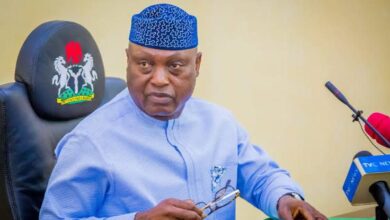
Governor Mbah advocates experiential learning to drive human capital development
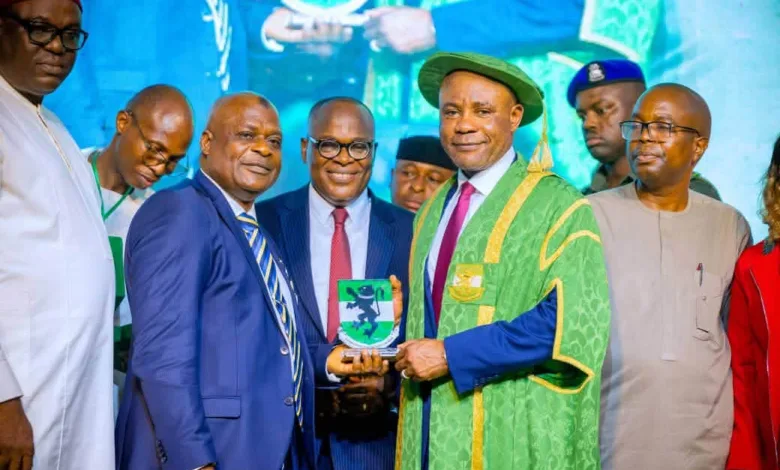
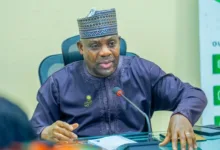
Enugu State Governor Peter Mbah has advocated experiential learning as a key driver of human capital development, calling for a fundamental overhaul of Nigeria’s education system to produce problem-solvers and innovators rather than graduates armed only with certificates.
Mbah made the call on Thursday while delivering the 55th Convocation Lecture of the University of Nigeria, Nsukka (UNN), where he unveiled Enugu State’s human development model anchored on experiential learning, innovation and inclusive prosperity. He said development should be measured by citizens’ ability to transform knowledge into productivity and shared prosperity, not by physical infrastructure alone.
The governor said Enugu’s education reforms draw inspiration from the Igbo apprenticeship system, adding that the Centre for Experiential Learning and Innovation (CELI) is driving reforms in curriculum development, teacher training, digital literacy, technical education and industry partnerships to bridge the gap between knowledge and opportunity.
Mbah said the state’s ambition of expanding its economy from about $4.4 billion to $30 billion is anchored on human capital development. He noted that about one-third of the state’s annual budget is allocated to education, leading to the construction of 268 Smart Green Schools and the digital training of over 23,000 teachers, while 4,698 new teachers have been approved for recruitment.

He added that students in Technical and Vocational Education and Training (TVET) colleges are receiving practical industry training through partnerships with industries, including the Enugu Haier Factory, while plans are underway to establish three specialised universities focused on artificial intelligence, education and agriculture.
“A village child became a teacher of urban peers. In Arinze, you see restored confidence, democratized opportunity and a child once defined by geography becoming a creator of knowledge rather than merely a consumer of it. You see the dignity of man,” he said, citing the example of a Smart Green School pupil who recently taught digital literacy to pupils in Enugu metropolis.
Mbah stressed that education reforms must be complemented by investments in healthcare, electricity, roads, aviation, tourism and technology. He cited projects including the Enugu International Hospital, transport terminals, Enugu Air and the proposed 660-megawatt power plant as part of an integrated human development strategy, urging governments and stakeholders to invest boldly in human capability.
In their remarks, UNN Vice-Chancellor Prof. Simon Ortuanya and former Minister of Power Prof. Chinedu Nebo commended Mbah’s achievements in human capital development, saying he had made progress across multiple sectors within three years.