CAFA urges African designers to embrace continental fashion initiative
By Damilola Akinwale –
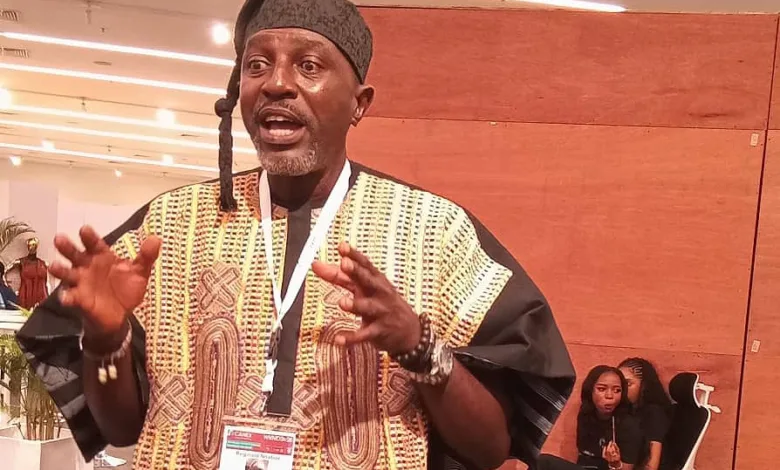
The Mission Coordinator of the Confederation of African Fashion Associations (CAFA), Reginald Ekeanyanwu, has urged fashion designers across Africa to embrace the organisation’s opportunities, regardless of their status.
Speaking in an exclusive interview with Western Post at the Creative Africa Nexus Weekend (CANEX WKND) 2026, Ekeanyanwu said CAFA aimed to make large-scale fashion manufacturing accessible to all designers, whether upcoming or established.
“We want to onboard every fashion designer on the continent, regardless of their status,” he said.




He said CAFA planned to expand African fashion businesses through an e-commerce platform and help designers compete globally by improving standards in manufacturing, infrastructure, marketing and branding. “We are going to open up the world for every fashion designer through CAFA. We are building big brands so that African brands can begin to compete in the global market,” he added.
Ekeanyanwu stressed the need to approach fashion as a continental business rather than a collection of fragmented national industries, comparing CAFA’s vision to the collective efforts of earlier African nationalists who helped secure the continent’s place on the global stage.
Speaking earlier at a media briefing, he said Africa accounted for only two per cent of the estimated $1.84 trillion global fashion industry, despite its cultural influence and contributions. He said CAFA aimed to grow the continent’s fashion industry, currently valued at about $60 billion, to $500 billion through coordinated policies and investment.
He added that the African Fashion Industry Growth Charter would support an integrated production chain covering commercial cotton cultivation, ginneries, fibre production, textile factories, artisans and designers. CAFA would also prioritise artisan training, intellectual property protection and job creation through local production.
Citing the recent Egbaliganza programme, Ekeanyanwu said it attracted participants from more than 50 countries and trained nearly 200 local artisans, some of whom are now employed at a factory in Abeokuta.