ICAO tightens rules on travellers’ use of power banks over safety concerns
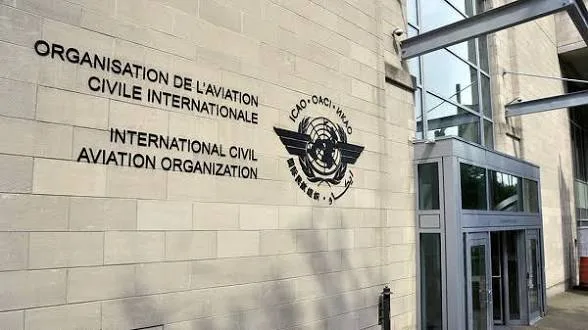
The International Civil Aviation Organisation (ICAO) has introduced stricter global regulations on portable power banks, as aviation authorities respond to a rise in fire-related incidents involving lithium battery devices on aircraft.
Under the new guidelines issued in March, passengers are limited to carrying a maximum of two power banks, while in-flight charging is prohibited. The organisation also banned power banks from checked luggage, requiring passengers to keep them in cabin baggage only.
The ICAO said the measures are aimed at improving safety standards amid increasing incidents linked to overheating batteries during flights.
“Lithium battery-related devices present a growing safety concern in aviation operations,” the organisation said in its advisory, adding that airlines must take stronger preventive measures.




Recent incidents have reinforced global concern. On Tuesday, a UK-bound EasyJet flight from Egypt was diverted to Rome after a power bank was found charging in luggage stored in the aircraft’s hold. The flight landed safely about 20 minutes after the diversion.
In another incident last November, a passenger at Melbourne International Airport suffered burns after a lithium power bank in his pocket caught fire.
The United States Federal Aviation Administration (FAA) reported 29 incidents of smoke, fire, or extreme heat linked to power banks on flights to or from the US this year alone. In 2025, there were 97 such incidents, representing a 94 percent increase from the previous year.
“Even a small lithium battery failure can escalate into a serious in-flight safety risk,” the FAA said, urging passengers to comply with safety instructions.
In Nigeria, the Nigeria Civil Aviation Authority (NCAA) issued its own advisory in January warning airlines and passengers of similar risks. The regulator restricted passengers from checking in power banks, banned in-flight charging, and limited travellers to carrying two devices.