Lagos stinks: Doherty, Rhodes-Vivour tackle waste crisis at governorship debate
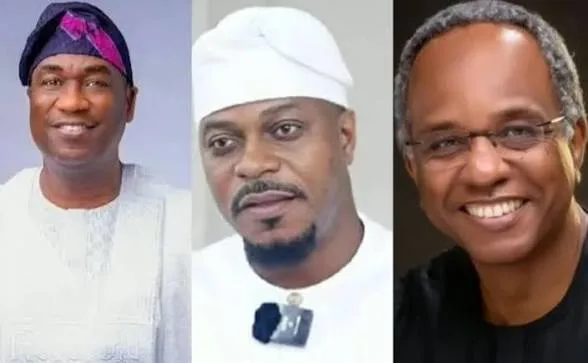
The question of whether Lagos stinks dominated discussions on waste management at the ongoing 2027 Lagos State governorship debate, with candidates offering contrasting explanations for the state’s growing waste management challenges.
The debate followed a question by one of the moderators, Seun Okinbaloye of Channels Television, who asked candidates whether they agreed with social media comments describing Lagos as smelly and what they would do to address the problem. He also sought their positions on reforming the Private Sector Participation (PSP) system, increasing the number of functional waste collection trucks and guaranteeing regular refuse collection.
Responding, the African Democratic Congress (ADC) candidate, Gbadebo Rhodes-Vivour, agreed that Lagos stinks, blaming the situation on poor waste management and what he described as excessive centralisation of the system. He disputed the argument that population growth was primarily responsible for the state’s waste crisis, saying the number of functional trucks had dropped significantly.
“Under Governor Fashola, we’re dealing with about a thousand trucks. Currently, reports that I get, we’re currently at 200 trucks,” he said, arguing that the state had failed to develop an effective waste management system.
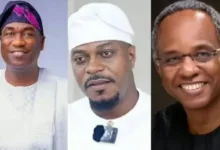
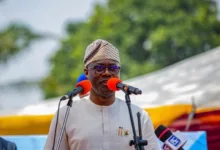

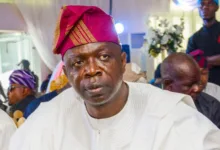
Rhodes-Vivour said his administration would involve local governments, encourage households to separate waste at source and establish waste-to-wealth and waste-to-energy value chains. He maintained that the current arrangement was largely a waste collection and dumping system rather than one that creates economic value from refuse.
However, the incumbent administration’s representative, Dr. Kadri Hamzat, speaking in defence of the state’s waste management strategy, said Lagos was transitioning from conventional waste collection and dumping to material recovery. He cited ongoing projects at Olusosun and Solus 3 in Alimosho, as well as facilities in Epe and Badagry, saying the planned transfer loading stations would each have the capacity to handle 5,000 metric tonnes of waste.
Another candidate, Funso Doherty of the Nigeria Democratic Congress, acknowledged that parts of Lagos were smelly, describing the situation as a governance failure that required both long-term recycling initiatives and immediate improvements in waste collection. He argued that the state needed greater investment in trucks, waste receptacles and transfer stations, adding that private sector operators could not shoulder the entire responsibility.
The debate also featured concerns about the relationship between population growth and waste generation, with Adedeji Doherty of the Peoples Democratic Party arguing that increasing household numbers naturally resulted in more refuse requiring collection. The exchanges highlighted the candidates’ differing approaches to tackling Lagos’ waste crisis, particularly the need to improve collection efficiency while developing sustainable waste recovery systems.