Nigerian Immigration: This is 2025, eLanding card is not an innovation, by Kelechi Deca
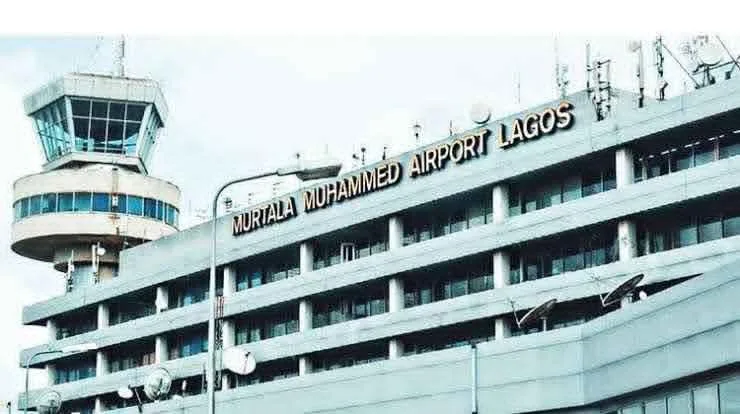
Every time I arrive in Nigeria, I will notice foreigners who were on the same flight with me, huddled at one end of the arrival hall, filling some forms, and scanning QR codes. It is time consuming, and also stressful for a passenger that has been in transit a whole day, or more.
In recent times, this is being done electronically via leCard.immigration.gov.ng after scanning the QR code. But that hardly makes it easier for passengers.
Landing cards are so past.
I think the airlines should share the blame for failure to, at the point of checking in, instruct most passengers coming to Nigeria, of the requirements, one of which is filling an eCard online.




Not every passenger cross checks some of these details before embarking on a trip. Nothing disrupts a passenger’s peace of mind more than engaging in extra activities outside picking up luggage and hailing a taxi.
Such ease tops the reasons why some airports rank so high on the “Best Airports in the World”, ranking. Ease of departure and arrival. No in-betweens.
Months ago, the Nigerian Immigration Service launched with fanfare their new eLanding Card system.
They gleefully announced to the world that they have phased out physical card forms and replaced them with electronic versions so all a passenger needs to do is scan their QR code, open the link, and provide all necessary information.
Great as this sounds, especially against the backdrop of coming from filling the physical yellow cards, however, this cannot be regarded as an innovation in 2025. It came 10 years late.
Having eCard when you’re already running a biometric system is unnecessary duplication and waste of both official manpower and putting a passenger through unnecessary stress.
Airports are rapidly deploying facial recognition at both end of arrivals and departures so that passengers profiling can be achieved with just a look at a camera. Airports and airlines share portals where data is seamlessly shared
As of mid-2024, a remarkable 98% of airlines have either implemented biometric boarding or are planning to do so. The motivation is clear: it speeds up the boarding process and adds security.
Biometric boarding means no more fumbling for QR codes or paper stubs while juggling carry-on bags—you simply walk up to the gate, glance at a camera, and walk on. On top of that, someone can’t use a boarding pass that isn’t theirs, because the system will flag the face mismatch.
Some have even taken biometric technology to another level through the biometric check-in kiosks that verify your identity on the spot via face scan. These kiosks can pull up your booking once they recognize your face, so you don’t need to present an ID or even touch the screen.
Take Tokyo’s Narita Airport, the 3rd Best Airport in the world, new check-in machines introduced in early 2025 removed touchscreens entirely—passengers stand in front of a camera and use hand gestures to navigate the check-in menu, while facial recognition verifies their identity before issuing boarding passes.
Some airports have even taken this a step forward by introducing biometric verification at bag drop which tackles baggage fraud, making it hard for another person to pick up someone else’s bag from the carousel.
In airports with biometric verification at bag drop and claim, this system links bags to the rightful owner. When you drop off luggage at a biometric bag-drop station, a camera scans your face and associate your identity with that bag’s tag.
At Delhi’s Indira Gandhi International Airport (Terminal 1 and 3), for instance, biometric bag drop systems automatically link checked luggage to the passenger’s facial profile.
At baggage claim, the same biometric data is used to verify identity before releasing the luggage—minimizing the risk of fraud or lost items. You don’t have airline officials behaving like 1945 tax collectors blocking access until you provide stubs for check-in luggage.
This means no one can fraudulently claim your luggage at the destination, because the system knows that it’s attached to your face and name.
In a number of major U.S. airports today, you’ll encounter a facial recognition camera at the TSA document check podium. Instead of a TSA officer manually comparing your face to your ID, the camera does an instant 1:1 face match with the photo in your passport or driver’s license data.
Travelers simply pause briefly at a camera, and if the system sees that you are who you say you are, the gate opens and you proceed to the X-ray scan. The overall effect is that verifying identity at these checkpoints is now fast and touchless.
We can do better.
Either get airlines to inform passengers coming to Nigeria that they should do pre boarding of their personal data via the web portal so that their stamp-in would be seamless, or they trust their biometric systems and data from airlines.
This is 2025.