South-East security key to Nigeria’s unity, development, says information minister
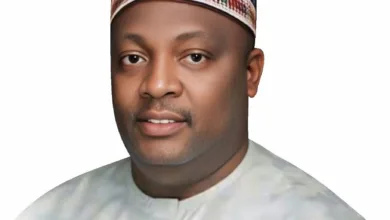
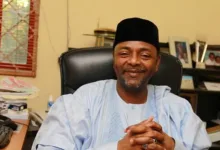
The Minister of Information and National Orientation, Mohammed Idris, has said lasting peace and security in the South-East are critical to Nigeria’s unity, economic growth and national development.
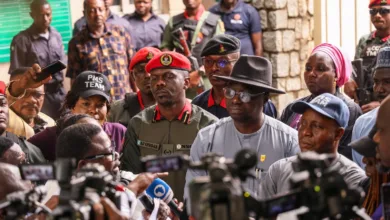
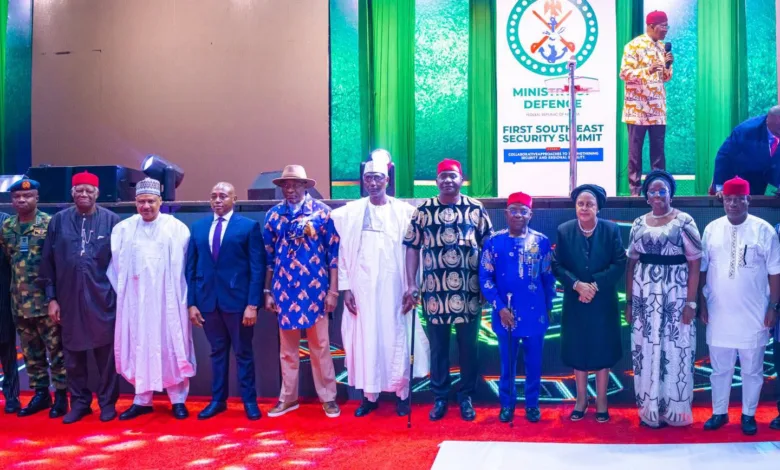
Idris stated this on Thursday at the 2026 South-East Regional Security Summit in Umuahia, Abia State, where he called for stronger collaboration among governments, security agencies, traditional rulers, religious leaders and citizens to address insecurity in the region.
He reaffirmed the commitment of President Bola Tinubu’s administration to improving security through enhanced intelligence sharing, better inter-agency coordination, improved equipment for security agencies and international partnerships, while also highlighting investments in infrastructure, youth empowerment, education, digital skills and small businesses.
“When the South-East is secure, Nigeria is stronger. When every region enjoys peace, our democracy flourishes. And when we stand together as one people, united by a common destiny, no force can diminish the promise of the Federal Republic of Nigeria,” Idris said.


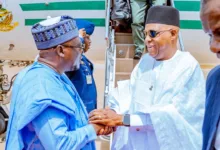
Representing Senate President Godswill Akpabio, Chairman of the Senate Committee on Army, Senator Abdulaziz Musa Yar’Adua, said the National Assembly would continue to provide legislative support for efforts aimed at strengthening Nigeria’s security architecture and promoting lasting peace.
Deputy Speaker of the House of Representatives, Benjamin Kalu, called for stronger regional cooperation and institutional reforms to tackle evolving security challenges, while Abia State Governor Alex Otti said security remained the foundation for development and urged stakeholders to address the root causes of crime.
The Minister of Defence, General Christopher Musa (retd.), said the Federal Government remained committed to safeguarding lives and property through sustained investments in the Armed Forces and other security agencies, stressing that security was a shared responsibility requiring the support of government, communities and citizens.
The summit brought together representatives of the Federal Government, South-East governors, lawmakers, security chiefs, traditional rulers, religious leaders, civil society organisations and other stakeholders to discuss strategies for improving security and regional stability.