Ekiti becomes first state to domesticate Nigeria Tax Administration Act
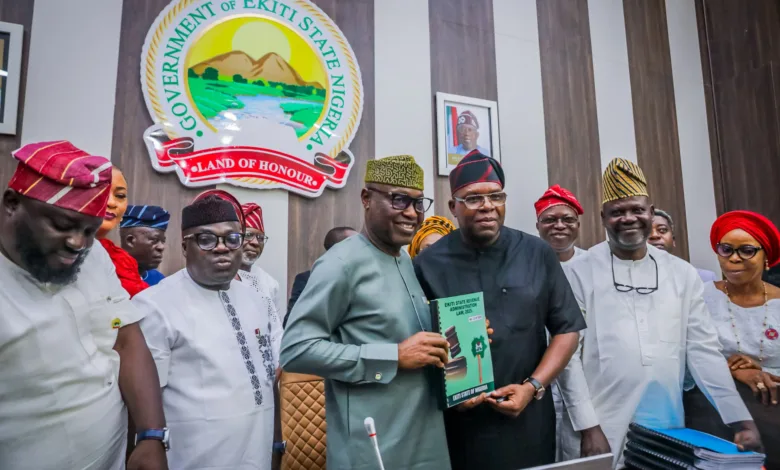
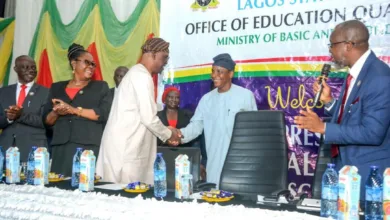
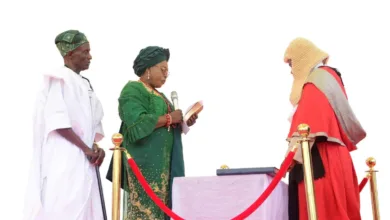
Ekiti State has become the first state in Nigeria to domesticate the Nigeria Tax Administration Act with the signing of the Ekiti State Revenue Administration Law, 2025 by Governor Biodun Oyebanji. The signing coincided with the approval of the state’s 2026 Budget of N415.57 billion at a brief ceremony on Tuesday at the Executive Council Chamber, Governor’s Office, Ado-Ekiti.
The event was attended by the Deputy Governor, Chief (Mrs) Monisade Afuye; Speaker of the Ekiti State House of Assembly, Rt. Hon. Adeoye Aribasoye; Executive Secretary of the Joint Revenue Board (JRB), Mr Segun Adesokan; members of the State Assembly and Executive Council, and other stakeholders.
Governor Oyebanji described the new revenue law as “not merely a fiscal document but a bold statement of our administration’s commitment to transparency, modern governance, and economic empowerment.” He added that Ekiti now aligns its internal revenue laws with the four new National Tax Reform Acts.
“From today, Ekiti adopts a strictly electronic payment, billing, and receipting system. This will eradicate leakages and ensure payments go directly into the state’s coffers,” he said, adding that the law repeals the Ekiti State Board of Internal Revenue Law, 2019 (as amended) and strengthens revenue administration.
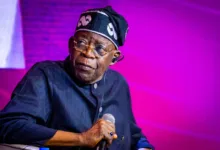
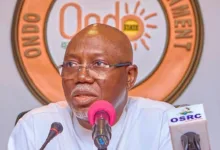


The law institutionalises fairness, accountability, and transparency in revenue collection. It empowers the Ekiti State Internal Revenue Service (EKIRS) as the sole revenue collection agency, allows the accreditation of professional tax agents, permits employment of legal officers with prosecutorial powers, and introduces administrative penalties to encourage compliance.
JRB Executive Secretary, Mr Segun Adesokan, praised Ekiti for leading the domestication process. “We requested Ekiti to be the first state to give life to this law during our retreat at Ikogosi in September, and today’s signing reaffirms your commitment to professionalism and autonomy in revenue administration,” he said.
On the 2026 Budget, christened the “Budget of Sustainable Governance”, Governor Oyebanji said it would focus on completing ongoing projects, food security, wealth creation, and infrastructure development. He noted that next year marks the end of his first term and the budget would consolidate his administration’s achievements since October 2022.
The budget allocates 53% for Recurrent Expenditure and 47% for Capital Expenditure, reflecting the government’s focus on operational efficiency and developmental projects, while strengthening the state’s economic and fiscal policies.