Oyo warns health workers as Lassa fever cases rise

By Adejayan Gbenga
The Oyo State Government has warned healthcare workers to treat every patient as potentially infectious as the state recorded five confirmed Lassa fever cases and one death between January and September 8, 2026.
The Commissioner for Health, Dr. Oluwaserimi Ajetunmobi, said Lassa fever remained endemic in parts of the state, with suspected cases being recorded outside the period when infections are traditionally more common.
Ajetunmobi said the state had recorded 131 suspected cases during the period under review. She noted that Lassa fever typically peaks between October or November and March or April but could still occur during the rainy season.



She said poor environmental hygiene and exposure to multimammate rats remained major risks, urging residents to dispose of waste properly, seal openings in their homes, cover food and keep rodents away.
The commissioner said one recent confirmed case involved a patient who tested positive after travelling to the Republic of Benin. She said contact tracing was immediately activated, including at the port authority, while another death remained classified as suspected because there was no laboratory confirmation.
Ajetunmobi urged residents with persistent fever, headache, sore throat, vomiting or other unusual symptoms to seek medical attention promptly and provide relevant travel information. She said early detection was important because Lassa fever symptoms could resemble common illnesses such as malaria.
She added that Oyo had activated its Public Health Emergency Operations Centre and conducted preparedness assessments at health facilities to identify gaps in infection prevention, screening, isolation and case management for Lassa fever, Ebola and other infectious diseases.
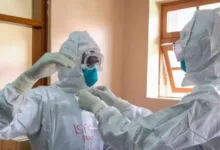
The commissioner further urged health workers to use appropriate personal protective equipment, maintain proper hand hygiene and remain vigilant because some infectious diseases may not initially cause fever. She also advised residents to report suspected cases promptly, protect drinking water, store food safely and maintain clean surroundings.