NAF crash: Community dwellers fear disease as body parts float in swamp
By Boye Oyeyemi
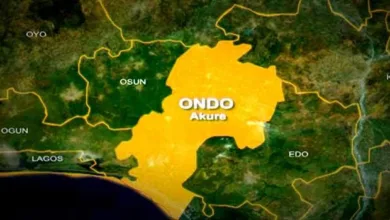
Residents of Igbokoda in Ilaje Local Government Area of Ondo State have raised concerns over a foul odour and floating human remains at the site of the Nigerian Air Force aircraft crash, warning of possible environmental contamination and health risks.
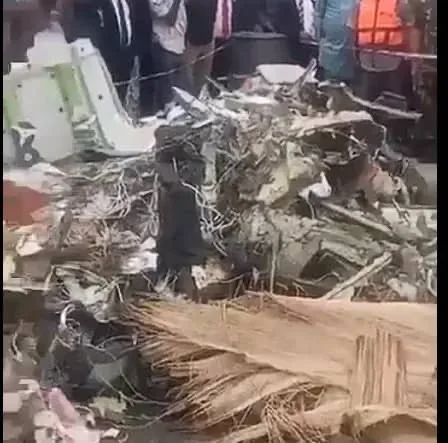
The NAF ATR-42 aircraft crashed into a swamp near its Forward Operating Base in Igbokoda on October 5 while travelling from Benin City, Edo State, to Lagos, killing 25 people. Recovery operations involving military personnel and emergency agencies have been ongoing since the incident.
Raising concerns over the latest development, the traditional ruler of Igbokoda, Oba Afolabi Odidiomo, said the stench from the crash site had become unbearable, adding that decomposing human remains were still being sighted in the water. “The odour is extremely offensive. We are now seeing some inner parts of the human body floating around in the river. Some of the bodies have not been recovered,” he said.




The monarch also expressed concern over suspected fuel leakage from the submerged aircraft, warning that it could threaten the surrounding environment. He urged the authorities to recover the remaining human remains and wreckage and commence an immediate cleanup of the affected area.
Residents, including Omogbemi Damilola and Oroyo Levy, said the offensive smell had persisted since the crash, causing discomfort for households and worsening the distress experienced by the community following the tragedy. They appealed to the government to intervene swiftly to address the situation and prevent potential health hazards.
Responding to the concerns, the Ondo State Commissioner for Environment, Tob Loko, said the state government was working with the Federal Government to assess the extent of possible pollution and determine the necessary decontamination measures. He acknowledged that the surrounding area could have been contaminated, adding that the concerns raised by residents were being examined.
Loko, however, disputed claims that the incident had cut residents off from drinking water, explaining that the river was not their primary source of potable water because boreholes were available in the community.
He maintained that the government was assessing the situation to determine the appropriate response.