EFCC chairman warns high election costs encourage corruption
By Mosunmola Ayobami
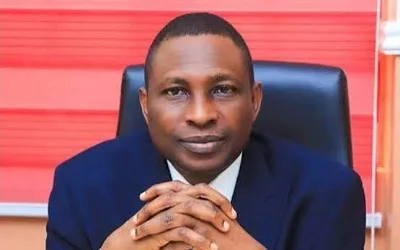
The Executive Chairman of the Economic and Financial Crimes Commission (EFCC), Ola Olukoyede, has raised concerns over the rising cost of elections in Nigeria, revealing that some governorship aspirants spend between N20 billion and N30 billion in their quest to secure electoral victory.
Olukoyede made the disclosure on Wednesday in Ilorin, warning that the growing commercialization of the electoral process poses a serious threat to democratic governance and contributes significantly to corruption in public office.
According to him, politicians who expend huge sums during elections often come under pressure to recoup their investments after assuming office, a situation that frequently results in the diversion of public funds and abuse of state resources.


He stressed that the EFCC remains committed to combating vote-buying and other forms of financial inducement that undermine the credibility of elections. He noted that the commission views electoral corruption as a major obstacle to good governance and national development.
“The commercialization of votes weakens the foundation of good governance because it compromises the political recruitment process. Leaders who buy their way into office are more likely to focus on recovering their investments rather than serving the public interest,” Olukoyede said.
The EFCC chairman further disclosed that the agency has carried out several arrests across the country over vote-buying and related electoral offences, adding that a number of convictions have already been secured. Those prosecuted, he said, include politicians, electoral officials and citizens found guilty of electoral misconduct.
Furthermore, Olukoyede warned that allowing impunity to thrive during elections could erode public confidence in democracy and threaten national stability. He emphasized that there should be no sacred cows in the enforcement of electoral laws and accountability measures.
As part of preparations for the 2027 general elections, he revealed that the commission plans to deploy drones and other technological tools to enhance election monitoring, particularly in detecting vote-buying and financial inducements at polling units. He also urged political parties, security agencies, the Independent National Electoral Commission, civil society groups, the media and other stakeholders to work together in ensuring peaceful, free and credible elections.