FG launches free TV platform, projects jobs, economic growth
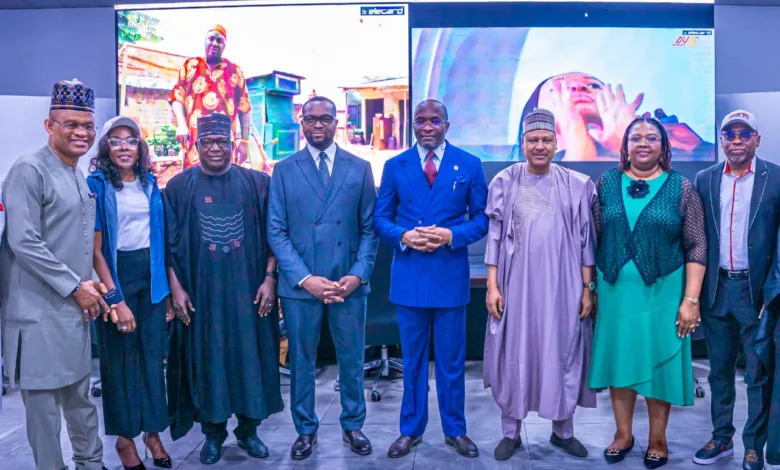
The Federal Government has launched Nigeria’s Digital Switch Over (DSO) platform, describing it as a major step towards modernising the country’s broadcasting industry and unlocking opportunities for job creation, local content development, and economic growth.
Speaking at the launch held on Wednesday at the headquarters of the Nigerian Communications Satellite Limited (NIGCOMSAT) in Abuja, the Minister of Information and National Orientation, Mohammed Idris, said the initiative would create employment, stimulate local manufacturing, strengthen content production, expand advertising opportunities, and generate new revenue streams for broadcasters and content creators.
Idris described the launch as a milestone in Nigeria’s broadcasting history and said it aligns with President Bola Tinubu’s Renewed Hope Agenda, which prioritises digital transformation, innovation, economic growth, and critical infrastructure development. He noted that the DSO project is not merely a technological transition but a key component of efforts to build a more connected and competitive economy.
According to the minister, consultations were held with stakeholders across the broadcasting value chain, including broadcasters, signal distributors, set-top box manufacturers, content producers, NIGCOMSAT, the Broadcasting Organisations of Nigeria (BON), the Advertising Regulatory Council of Nigeria (ARCON), and other industry players. He said stakeholders reaffirmed their commitment to the successful implementation of the programme despite differing views on some aspects of its execution.
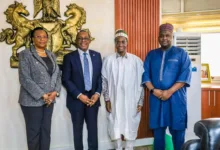
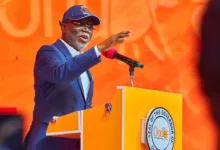
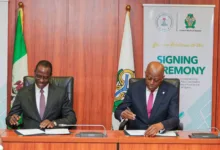
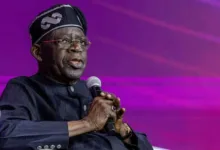
“The Digital Switch Over project is not simply a technological transition; it is a critical step towards modernising the country’s broadcasting industry. A fully implemented DSO ecosystem will create jobs, stimulate local manufacturing, expand audience reach, strengthen content production, increase advertising opportunities, and unlock new revenue streams for broadcasters and content creators,” Idris said.
The minister explained that the initiative is based on a hybrid broadcasting model that combines Digital Terrestrial Television (DTT), Direct-to-Home satellite services, and digital application-based platforms. He added that the government remains committed to promoting indigenous technology, supporting local manufacturers, and ensuring that Nigerian creativity remains central to the broadcasting ecosystem.
Also speaking, the Minister of Communications, Innovation and Digital Economy, Dr Bosun Tijani, described the DSO as a major milestone in Nigeria’s digital transformation journey. He said the project forms part of a broader strategy aimed at building a one-trillion-dollar economy, highlighting plans to deploy 90,000 kilometres of fibre-optic infrastructure and launch two additional satellites to strengthen national communications capacity.
In separate remarks, the Director-General of the National Broadcasting Commission (NBC), Charles Ebuebu, and the Managing Director of NIGCOMSAT, Jane Egerton-Idehen, said the platform would expand access to information, education, and digital opportunities while creating new prospects for content creators, investors, broadcasters, and technology providers. The Deputy Speaker of the House of Representatives, Benjamin Kalu, described the initiative as a significant national achievement capable of stimulating investment, creating jobs, and supporting the growth of Nigeria’s media and creative industries.