How America’s new minerals deal could put more money in Nigerians’ pockets — by Olabode Opeseitan

Nigeria’s new minerals partnership with the United States promises real, visible gains for ordinary Nigerians: more jobs, more factories, more income and a stronger, future proof economy.
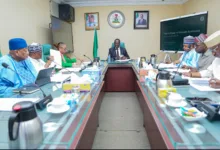
In recent months, Nigeria has intensified its push to reposition the solid minerals sector as a central pillar of national growth. This effort reached a significant milestone when the Minister of Solid Minerals Development, Dele Alake, led a delegation of the Nigeria Solid Minerals Company to Washington for high level discussions. The visit was part of a broader strategy to attract strategic investment and to secure Nigeria’s place in the global critical minerals market.
At the White House, the Nigerian team met senior officials responsible for global supply chain strategy. The talks focused on how Nigeria and the United States can work together to unlock the full value of Nigeria’s mineral resources and ensure that the benefits reach Nigerian communities.
For decades, minerals such as lithium, copper and rare earth elements left Nigeria in raw form. The refining, processing and manufacturing that create real wealth happened elsewhere. The new engagement aims to change that pattern and to build a minerals economy that works for Nigerians.



- Jobs Nigerians Can See and Feel
The United States is exploring investment across the entire minerals value chain: exploration, mining, processing, refining and manufacturing. This creates opportunities for welders, engineers, truck operators, lab technicians, safety officers, accountants and thousands of support workers.
Every step carried out inside Nigeria multiplies employment. - Factories That Keep Value at Home
The partnership encourages Nigeria to move beyond extraction. It supports the establishment of processing and refining plants that convert raw minerals into battery materials, magnets and components for electric vehicles and renewable energy systems.
Real wealth is created in the factory, not in the ground. - A More Stable, Diversified Economy
Critical minerals are essential to the global energy transition. Countries that control supply chains will shape future industries. The United States wants Nigeria as a strategic partner, not merely a supplier.
This means long term contracts, predictable investment and stable revenue streams that help governments fund roads, schools and hospitals. - A Cleaner, More Modern Industrial Base
Nigeria’s minerals roadmap emphasises responsible mining, clean energy manufacturing and ESG compliant operations. This is a modern industrial strategy aligned with global standards that investors trust and communities can support. - A Boost to Tinubu’s Economic Diversification Agenda
The partnership aligns with the Renewed Hope Agenda, which prioritises economic diversification, industrialisation, job creation and strategic foreign investment.
It signals a shift from a mono product economy to a multi sector industrial base.
A Moment That Feels Different
There is a growing sense of confidence. Nigeria is not asking the world for assistance. Nigeria is offering what the world needs: minerals that power the future. The structure of this engagement ensures that Nigerians stand to benefit first.
If the partnership delivers on its promise, it could mark the beginning of a new era. It could be an era where Nigeria’s minerals do not simply enrich markets abroad, but transform lives at home.