Inflation drops to 15%, Nigeria’s reserves hit $54bn — FG
The federal government says Nigeria’s inflation rate has dropped from about 27 per cent in January 2025 to around 15 per cent, while foreign exchange reserves exceeded $54bn in September 2026.
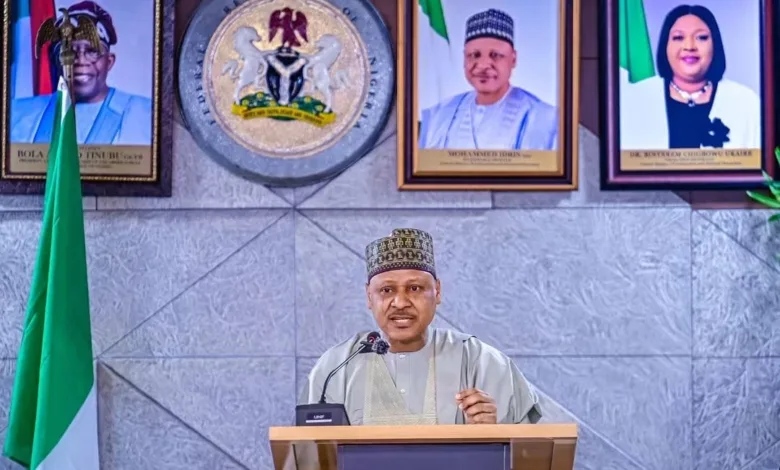
The Minister of Information and National Orientation, Mohammed Idris, disclosed this on Monday during a media chat with senior editors and journalists at the Radio House in Abuja.
Idris said the country’s economic indicators were improving, citing stronger external reserves, increased oil production, rising non-oil exports and a more stable foreign exchange market.
According to him, Nigeria’s economy is projected to grow by more than four per cent in 2026, while its current account surplus rose to $12bn in the first half of the year, compared with $8.6bn in the corresponding period of 2025.




He said the government’s ultimate target was to bring inflation down to single digits, adding that the priority was to ensure that the gains from economic reforms translated into improved living conditions for Nigerians.
“The macroeconomic numbers have turned the corner, and I would ask that we always look at what they mean beyond the headlines,” the minister said.
He acknowledged that many households were still struggling with the rising cost of living but maintained that the administration of President Bola Tinubu was working to make economic recovery more visible through job creation, affordable essential services and improved purchasing power.
Idris also said Nigeria earned more than $6bn from non-oil exports in 2025, describing the figure as the highest in the country’s history.