NDLEA seizes ₦2.5tn drugs, secures 6,232 convictions in 21 months
The National Drug Law Enforcement Agency (NDLEA) says it seized more than 5.8 million kilogrammes of illicit drugs valued at over ₦2.5 trillion and secured 6,232 convictions between January 2025 and September 2026.
The agency also arrested 38,242 suspects during the period, while more than 16,303 people received counselling, treatment or rehabilitation as part of efforts to tackle drug abuse and trafficking in Nigeria.
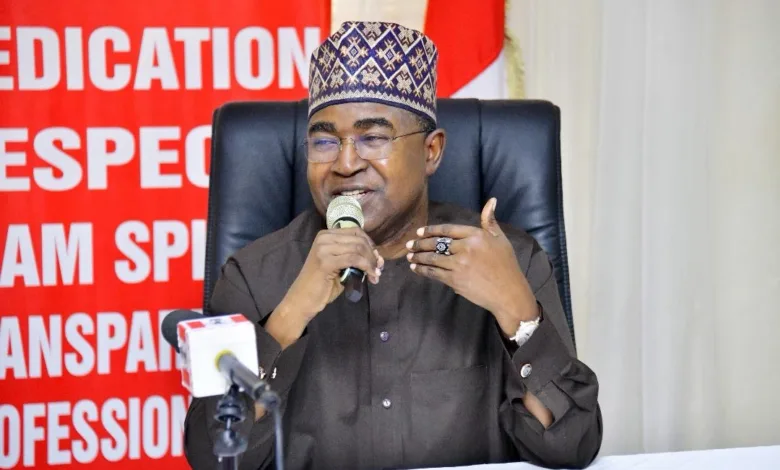
The NDLEA disclosed these figures while presenting Nigeria’s drug control reforms at the ongoing 81st Session of the United Nations General Assembly in New York, United States. The agency’s chairman and chief executive officer, Brig. Gen. Mohamed Buba Marwa (retd.), was represented by its secretary, Shadrach Haruna, who delivered Nigeria’s statement on Monday.
Haruna told the assembly that the figures reflected the country’s shift from a predominantly enforcement-focused approach to an integrated strategy combining intelligence-led operations, public health interventions, financial investigations, technology and international cooperation.




He explained that the changing tactics of trafficking networks, the use of technology for illicit activities and the movement of criminal proceeds across borders had made it necessary for Nigeria to target not only drugs and suspects but also the networks and financial structures sustaining the trade.
Beyond enforcement, Haruna highlighted the agency’s Alternative Development initiative, which is being piloted in three communities in Ondo State to help residents abandon illicit cannabis cultivation for legitimate agricultural activities. He said providing sustainable economic alternatives was essential to strengthening food security, community resilience and national security.
He also cited the NDLEA’s Drug Integrity Test and Visa E-Administration System as examples of digital reforms aimed at improving efficiency, transparency and accountability. According to him, the agency’s initiatives are being consolidated under the National Drug Control Master Plan 2026–2030, which covers six areas, including drug supply and demand reduction, access to controlled medicines, alternative development and disruption of the illicit drug economy.
Meanwhile, Nigeria called on the international community to strengthen intelligence-sharing, intensify investigations into illicit financial networks, expand access to drug treatment and rehabilitation, and provide more support for alternative livelihoods. It also urged greater investment in law enforcement training, forensic capabilities, technology and treatment infrastructure, particularly in developing countries, to improve collective efforts against drug trafficking and its associated harms.