Insecurity: State police debate revives Adebayo’s reform call
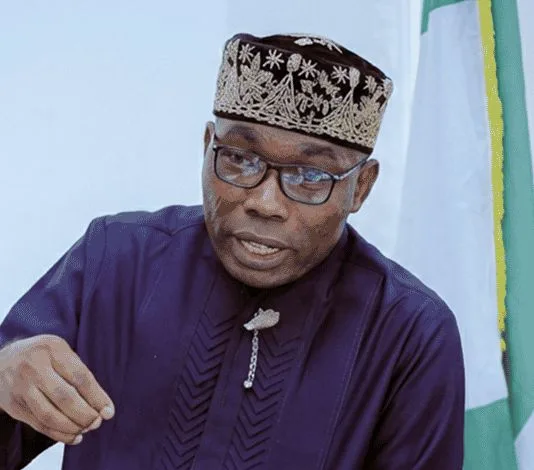
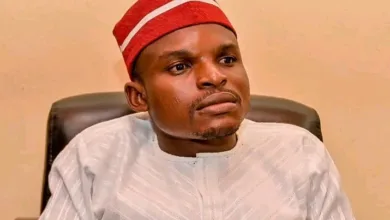
As Nigeria moves closer to renewed constitutional debates on the creation of state police, comments made several years ago by former Social Democratic Party (SDP) presidential candidate, Prince Adewole Adebayo, are gaining fresh relevance.
In an interview conducted ahead of the 2023 presidential election, Adebayo strongly advocated the establishment of state and local government police formations, arguing that Nigeria’s highly centralised security architecture has become ineffective and disconnected from local realities.
He described it as contradictory for states to legislate on matters such as criminal offences, sanitation, public order and local administration while relying almost entirely on a centrally controlled police system headquartered in Abuja.



Adebayo noted that most crimes affecting everyday life—including murder, theft, arson and other serious offences—are prosecuted under state laws, raising questions about why states exercise little operational control over policing.
The former presidential candidate also called for broader police reforms beyond decentralisation, stressing that policing in Nigeria should evolve from what he described as a culture of force to one rooted in public service, community trust and citizen engagement.
He further proposed stronger institutional linkages between policing and the justice system, including reforms aimed at enhancing accountability and reinforcing the role of legal institutions.
Although the interview was conducted years ago, many of the issues raised—particularly those relating to decentralised policing, insecurity and economic management—remain central to Nigeria’s governance discourse.
With discussions on state police once again attracting policy attention, Adebayo’s arguments are resurfacing as part of broader calls for security sector reforms and structural changes aimed at improving governance and national development.