Live TV lesson: Reuben Abati or not, the producer is in charge — by Babs Daramola
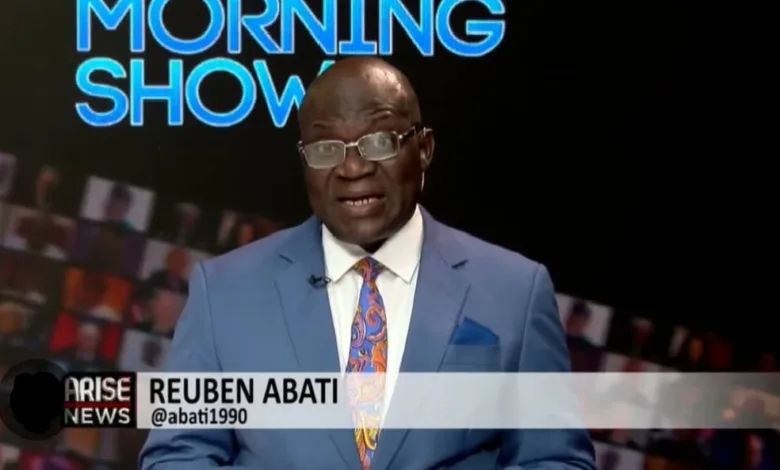
I watched with some dismay this morning Reuben Abati snapping at his producer live on The Morning Show on Arise TV, after apparently being asked through his earpiece to round off his analysis. As someone grounded in the culture and operational realities of broadcasting, I found the moment deeply unprofessional. And this is not even an isolated incident. That is what makes it more concerning.
His response, “I’ve not finished… Maybe I should stop (banging the desk), if I don’t have time…I’m trying to think; someone is talking in my ear. I find this intolerable”, followed by an audible scoff, exposed internal studio tension that should never have made its way into the live broadcast.
In television, especially live current affairs programming, producers are responsible for managing timing, transitions, commercial breaks, cueing, and the overall rhythm of the show. Communicating with presenters through the feedback earpiece is standard newsroom practice across the world.
Producers may simply cue: “Wrap in 20 seconds,” “Move on,” “Take a break,” “We’re heavy,” or “Last point”. These are all standard live TV timing instructions. Every experienced broadcaster understands this.




An anchor may disagree with a producer’s timing or feel interrupted in the middle of an important point, but professionalism demands composure on air. No presenter, regardless of stature or intellectual depth, is bigger than the production structure holding the programme together.
The more professional approach would have been simple: calmly land the point, say something like, “Let me leave it there because of time,” or “We’ll return to it later,” and move on. If there was genuine dissatisfaction with the producer’s handling of the segment, that conversation should have happened firmly behind the scenes after the programme; not through visible irritation on live television.
One of the marks of a truly seasoned broadcaster is the ability to manage pressure, frustration, and disagreement without allowing the audience to witness the cracks behind the curtain.
No anchor is bigger than the show.