Nigerians react to viral video of graduate trainee calling UBA chairman ‘Tony’
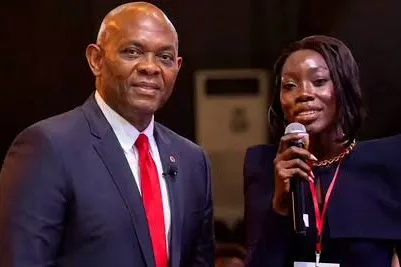
Numerous Nigerians have weighed in on the trending video of UBA Group Chairman, Tony Elumelu, correcting a graduate trainee for calling him by his first name, Tony, rekindling debates over Nigeria’s culture of respect and the growing influence of Western ideas on traditional norms.
In this week’s episode of Western Post’s voxpop programme, “The Newspaper Stand,” Nigerians shared divergent views on the survival of Nigerian traditions and values, using the interaction between Elumelu and the UBA Graduate Management Accelerated Programme (GMAP) participant as a case study in the evolving meaning of respect in contemporary society.
Western Post had earlier reported that the graduate trainee was heard greeting the businessman as “Tony,” prompting him to clarify that he preferred to be addressed as “Mr. Elumelu” or “TOE,” rather than by his first name or as “Chairman,” adding that he did not subscribe to that kind of “Oyinbo life.”
In light of this, Western Post decided to gather the thoughts of Nigerians on the subject matter. Reacting to the development, Ebenezar Olawale said the participant’s approach reflected her home training and upbringing, arguing that regardless of changing workplace practices, Elumelu was old enough to be her father and deserved the respect traditionally accorded to older people.




“Yes, I am aware, and I also believe that Nigeria is losing its culture to Western ideas,” Olawale said, stressing that values such as respect for elders, appropriate greetings and the recognition of social hierarchy remain important aspects of Nigerian upbringing that should not be discarded simply because foreign practices are becoming increasingly common.
Similarly, a female respondent, Lilian, said that while she believes respect goes beyond titles and appellations, the graduate trainee should have “read the room,” noting that the age difference and the particular setting ought to have guided how she addressed Elumelu, especially as Nigerians traditionally attach significance to age and status.
On the flip side, Dayo Adebiyi, a banker residing in Lagos, disagreed with the criticism, saying there was nothing inherently wrong with the way the trainee addressed the UBA Group chairman because many modern workplaces, particularly in banking, tech and the media, encourage employees to address colleagues by their names regardless of rank, and the participant may simply have been following the professional conventions she had been taught during her training.
The debate ultimately highlights the need to preserve Nigeria’s rich cultural values, particularly its tradition of respect for elders, even as foreign influences continue to shape the way Nigerians communicate and interact, making it important to embrace change without losing the cultural identity that defines the society. Perhaps the real question, therefore, is whether Nigerians can embrace changing influences without allowing Western ideas to gradually erode the cultural values, traditions that have long defined the society.