REPORT: Lagos-Ibadan Expressway gridlock leaves commuters stranded, road users seek intervention
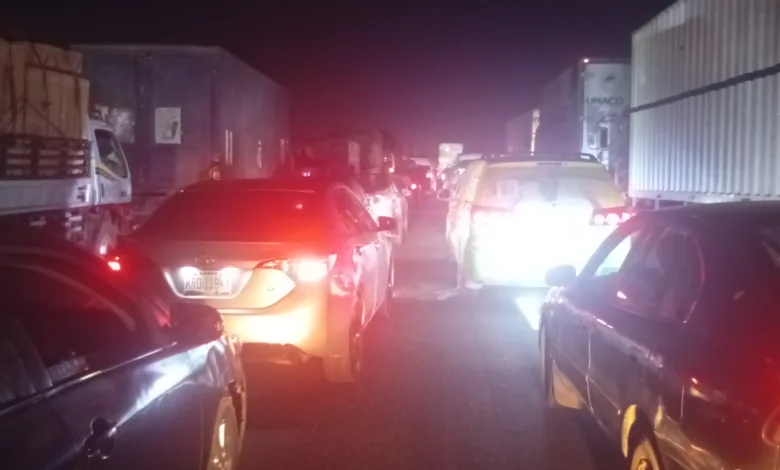
‘I left Ikeja at 4.30pm and got to Mowe at 4am’ — Civil servant
Commuters and motorists have lamented the worsening traffic situation along the Lagos-Ibadan Expressway, calling for urgent government intervention to improve traffic management, particularly during road construction, festive periods and major religious gatherings.
Some road users who spoke with Western Post recounted how they were stranded for several hours on Wednesday, November 18, with some forced to abandon public transportation and trek long distances, while others spent the night in their vehicles.
One of the affected commuters, a civil servant who identified herself as Madam Esther, said she left the Lagos State Secretariat, Alausa, Ikeja, at about 4.30pm but did not arrive at her home in Mowe, Ogun State, until 4am the following day.




Esther said she initially noticed a large crowd gathered beneath the pedestrian bridge at the Secretariat bus stop but did not realise that the situation would turn into an exhausting journey home.
“I work with one of the ministries at Alausa and reside in Mowe. The commute from work is usually not more than one hour, 30 minutes. However, I spent almost 12 hours covering the same distance. I got home tired, worn out and seriously drained,” she said.
She added that repeated experiences of such prolonged journeys could affect commuters’ health and productivity, particularly those who have to travel the route daily to work.
A National Youth Service Corps member, Daniel, said he had to trek a considerable distance after buses became scarce and transport fares increased amid the gridlock.
Daniel said he joined other stranded commuters in walking from Alade Allen, Ikeja, to Omole Phase 1, describing the experience as unusual and unpleasant.
“This was the first time I ever did this, and I hope it never happens again. It is an unpleasant experience,” he said.
A commercial bus driver, Saka, attributed the increase in transport fares to uncertainty among drivers over how long they would remain trapped in traffic and whether they would be able to make return trips.
He said drivers operating within Lagos and nearby border communities, including Opic, Kara and Fagbems, increased their fares by relatively small margins, while those travelling farther towards Mowe and the Sagamu Interchange charged significantly more.
According to him, a trip from the Secretariat bus stop to Mowe, which normally costs about ₦700, rose to as much as ₦1,500, while the fare to the Sagamu Interchange increased from about ₦1,000 to ₦2,000.
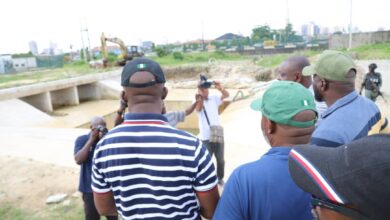
Investigations by Western Post initially pointed to the ongoing construction of a pedestrian bridge around the Aseese area of Ogun State as a possible cause of the gridlock, following complaints from commuters.
However, a visit to the construction site showed that although the area had been cordoned off, the bridge project was not the immediate cause of the severe traffic congestion.
Rather, the gridlock across the expressway was worsened by poor traffic management and the actions of impatient motorists who drove against the designated traffic flow, with some outbound Lagos-bound vehicles blocking motorists travelling towards Lagos from Ogun State.
Another affected commuter, Soji, who said he eventually gave up on getting home and spent the night in his vehicle, called on the government to deploy traffic control officers and security personnel along the expressway to manage movement and prevent motorists from driving against traffic.
“Just as we see manned police and traffic vehicles on the Third Mainland Bridge in Lagos and other places, we should have at least one here, too. Commuters should not just be left to navigate this notorious expressway alone,” he said.
Soji noted that similar incidents occurred during festive periods, road construction and rehabilitation works, as well as major programmes organised by religious organisations along the corridor, questioning how long commuters would continue to endure such disruptions without a coordinated response.
Another respondent, Amos, raised concerns about road safety, lamenting the poor lighting along sections of the expressway and the difficulty motorists face navigating the road at night.
He urged the relevant authorities to repair and maintain streetlights along the route, saying improved visibility would make night journeys safer and help prevent accidents.
The commuters called for a coordinated response from the relevant authorities, including the deployment of traffic officials, better enforcement of traffic regulations and improved road lighting, to prevent a recurrence of the disruption.
They warned that without sustained attention to traffic management, the expressway could continue to subject motorists and other road users to hours of avoidable delays, particularly during periods of increased traffic.