Nigeria’s digital switchover: Turning delay into opportunity — by Aderemi Ogunpitan
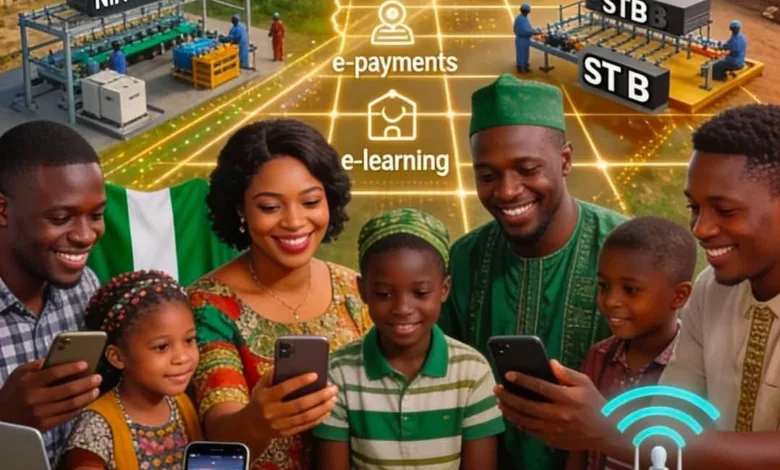
Nigeria’s Digital Switchover (DSO) began as a bold national vision: migrate from analogue to digital TV, free up the 700/800 MHz spectrum for broadband, create jobs through local set-top box (STB) production, and modernise broadcasting.
In reality, implementation has been slow and uneven. Pilot launches started in 2016, but most of the country remains analogue.
There is still no nationwide switch-off date. Funding gaps, unpaid debts to STB manufacturers, disputes with signal distributors, and shifting policies stalled progress.
At one point, even regulators admitted the project had “gone to sleep.”

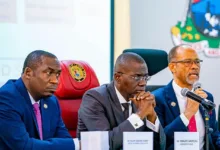
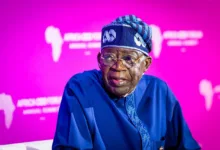
Under President Tinubu, momentum has returned. ₦10bn was approved to restart the programme, and the NBC began integrating NigComSat satellite capacity to extend coverage. However, the pivot toward a satellite-led model has triggered legal action from local manufacturers who feel sidelined.
The DSO is alive again, but remains politically and commercially fragile.
Has it benefitted broadcasting? Yes, but modestly. In digital states, broadcasters gained more channels, cleaner signals, and electronic programme guides. Yet without full analogue switch-off, many operators still carry dual transmission costs.
Meanwhile, pay-TV and streaming platforms have expanded faster than the state platform.
The deeper issue is connectivity. Roughly 21–23 million Nigerians remain unconnected. Without reliable access, digital services — identity, payments, education, health, cannot scale. This is where DSO could evolve beyond television. Instead of functioning as simple broadcast masts, DSO sites could become multi-service digital hubs combining digital TV, satellite backhaul (NigComSat and LEO providers like Starlink), community Wi-Fi, and Digital Public Infrastructure services such as NIN enrolment, digital payments, e-health and e-learning.
In this model, DSO becomes a distribution layer for national digital transformation.
On sovereignty, relying solely on foreign LEO constellations creates geopolitical risk; relying only on NigComSat limits performance. A mixed, multi-orbit strategy, sovereign capacity for critical services plus diversified international providers, offers resilience, backed by strict data localisation rules.
Regarding the digital dividend spectrum, most of the 700/800 MHz bands should likely be auctioned to mobile operators, but tied to enforceable rural coverage obligations. Policy should also preserve room for satellite-to-mobile services in remote or emergency zones.
Affordability requires public–private innovation: pay-as-you-go device bundles, outcome-based connectivity funding, local assembly incentives, and community digital centres. But investor confidence depends on transparent, bankable contracts and resolution of legacy disputes.
Integration is crucial. DSO platforms should link directly to Nigeria’s identity and payment systems via secure APIs, enabling citizens to access services through familiar interfaces without turning STBs into complex compliance devices.
Nigeria’s DSO has underperformed its original promise.
But if restructured and aligned with satellite strategy, spectrum policy, digital identity, and private-sector incentives, it could shift from a delayed broadcast reform to a foundational platform for connecting millions and accelerating digital inclusion.
–Ogunpitan is a top media executive in Lagos